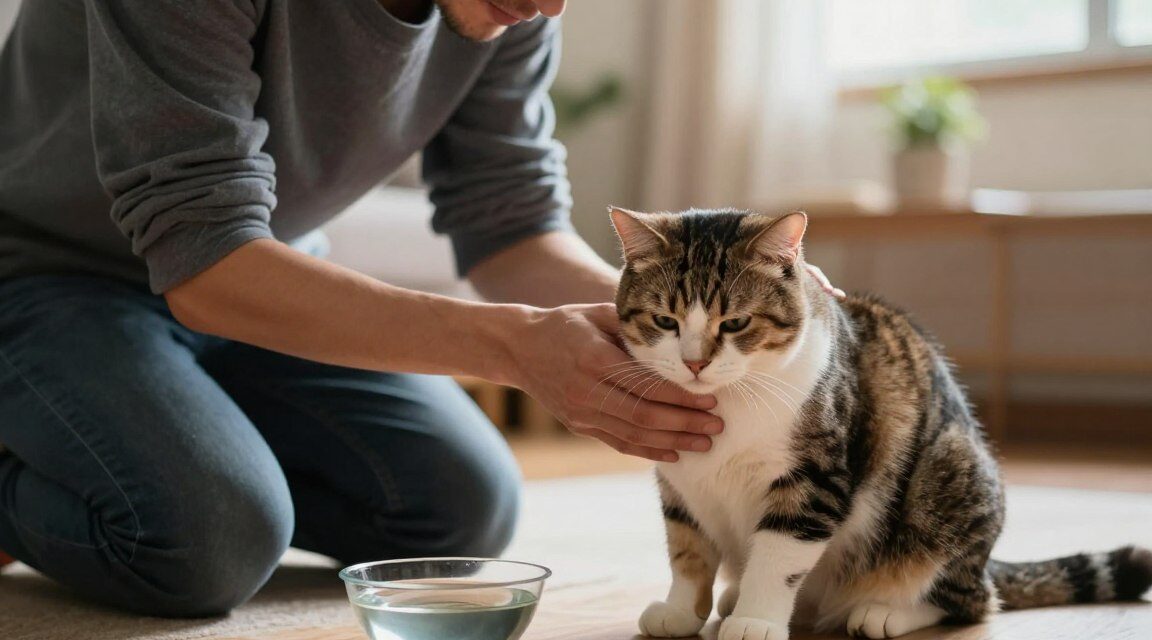
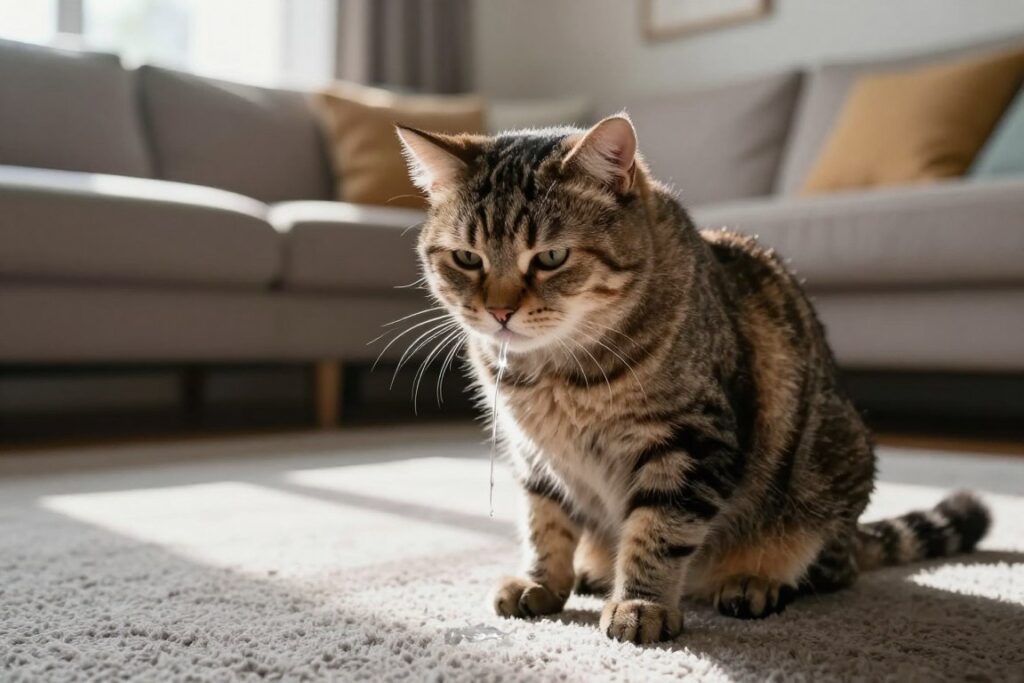
Seeing a companion feel unwell often causes stress for any dedicated owner. When a pet throws up a transparent fluid, you may feel unsure about their immediate safety. Keeping a calm environment helps your animal recover faster while you look for answers.
It remains vital to look closely at these signs to maintain feline wellness. While one episode might be simple, frequent vomiting requires a deeper look into the cause. Observing your pet helps you notice if they act tired or lose their appetite.
You might wonder why this happens and if the liquid represents a danger. This guide explores common triggers like diet changes or hairballs to explain the clear discharge. We aim to provide clarity because your peace of mind is important for successful care.
Key Takeaways
- Identify if discharge happens before or after meals.
- Monitor for other signs of distress in your pet.
- Hairballs often lead to watery stomach issues.
- Frequent episodes require a consultation with a vet.
- Simple hunger can cause a transparent reflux.
- Proper hydration supports feline recovery.
- Consistent tracking helps provide accurate answers.
What Is the Clear Liquid Your Cat Is Vomiting?
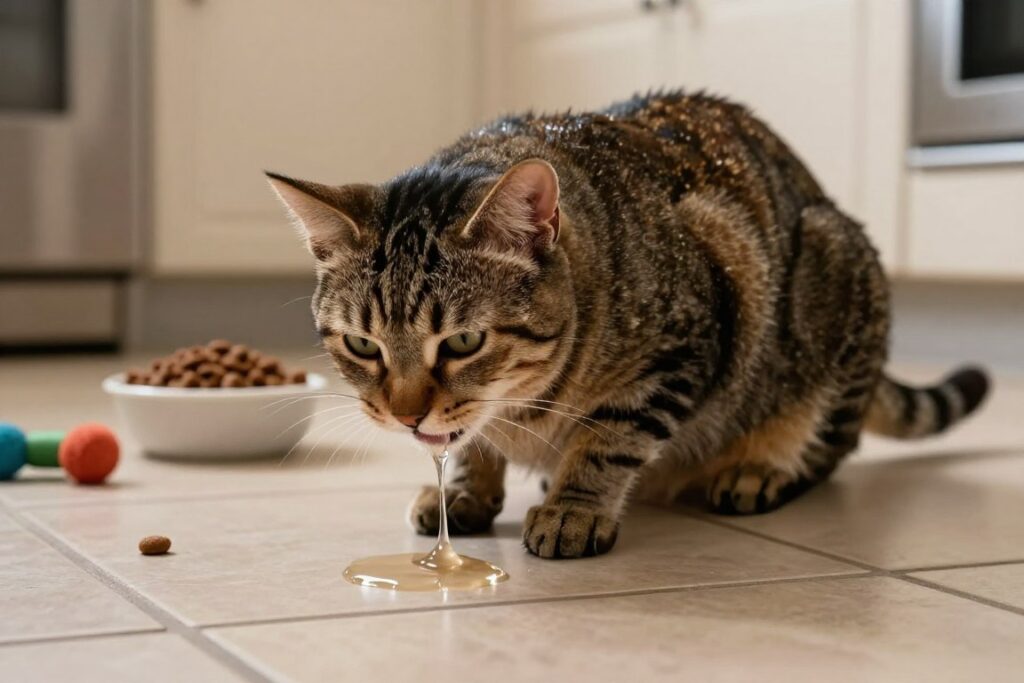
Observing your cat vomit clear liquid can be alarming, and understanding the composition and reasons behind this symptom is crucial. The clear liquid vomited by cats can be composed of various substances, each providing clues about the underlying cause.
Gastric Juices and Bile
Gastric juices and bile are significant components of the clear liquid your cat might vomit. Gastric juices are digestive fluids produced by the stomach lining, containing enzymes and acids that help break down food. Bile, on the other hand, is a fluid produced by the liver and stored in the gallbladder that aids in fat digestion. When a cat vomits, these fluids can be regurgitated, resulting in clear or slightly colored liquid.
Water and Saliva
Another possibility is that the clear liquid is primarily water and saliva. Cats often drink water, and if they vomit shortly after drinking, the water may not have been fully absorbed or digested, leading to clear vomit. Similarly, saliva can contribute to the volume and consistency of the vomit.
How Clear Vomit Differs from Other Types
Clear vomit is distinct from other types of vomit, such as yellow or bloody vomit, which can indicate different health issues. Understanding these differences is key to diagnosing the cause of your cat’s vomiting.
| Type of Vomit | Possible Causes | Characteristics |
|---|---|---|
| Clear Liquid | Gastric juices, bile, water, saliva | Clear or slightly colored, may indicate vomiting on an empty stomach or gastrointestinal issues |
| Yellow | Bile, possibly indicating gastrointestinal issues or eating something that doesn’t agree with the cat | Yellowish color due to bile, may be frothy |
| Bloody | Presence of blood, potentially due to ulcers, infections, or trauma | Contains blood, which can appear red, brown, or black depending on the source and amount |
By understanding the composition and characteristics of your cat’s vomit, you can better identify the potential causes and take appropriate action to ensure your cat’s health.
Common Reasons Why Is My Cat Vomiting Clear Liquid
Clear liquid vomiting in cats is a symptom that can stem from various factors, ranging from simple to more complex health issues. Understanding these reasons is crucial for cat owners to provide the appropriate care and attention to their pets.
Vomiting on an Empty Stomach
Cats, like many animals, can vomit when their stomach is empty. This can be due to the accumulation of gastric juices that irritate the stomach lining. Feeding your cat a balanced diet and ensuring they have access to fresh water at all times can help mitigate this issue.
Eating or Drinking Too Quickly
Some cats eat or drink too quickly, which can lead to swallowing air or irritating their stomach. Using a slow-feeder bowl or dividing meals into smaller portions can help reduce the likelihood of vomiting.
Hairballs and Grooming Issues
Cats groom themselves by licking their fur, which can lead to swallowing hair. This swallowed hair can accumulate in the stomach and form hairballs, potentially causing vomiting. Regular grooming by owners can help reduce the amount of hair swallowed.
- Regular brushing can help minimize loose hair.
- A balanced diet that includes fiber can aid in the passage of hair through the digestive system.
Food Sensitivities and Dietary Changes
Cats can develop sensitivities to certain ingredients in their food, leading to vomiting. Gradually introducing new foods and monitoring your cat’s reaction can help identify any dietary issues.
- Introduce new foods gradually to prevent digestive upset.
- Consult with your veterinarian to determine the best diet for your cat.
Serious Medical Conditions Behind Clear Liquid Vomiting
While occasional clear liquid vomiting in cats can be benign, recurrent episodes may signal underlying serious health issues. It’s essential for cat owners to be aware of the potential medical conditions that could be causing their cat to vomit clear liquid.
Chronic Kidney Disease
Chronic kidney disease (CKD) is a progressive condition that affects a cat’s kidneys, impairing their ability to filter waste and manage electrolyte balances. Cats with CKD may vomit clear liquid due to the buildup of toxins in the blood.
Symptoms of CKD include: increased thirst and urination, weight loss, and decreased appetite. Regular veterinary check-ups are crucial for diagnosing and managing CKD.
Gastritis and Inflammatory Bowel Disease
Gastritis and inflammatory bowel disease (IBD) are conditions that cause inflammation in the gastrointestinal tract. This inflammation can lead to vomiting, including clear liquid vomit.
Gastritis is characterized by the inflammation of the stomach lining, while IBD involves chronic inflammation of the digestive tract. Both conditions can cause significant discomfort and health issues in cats.
| Condition | Symptoms | Veterinary Care |
|---|---|---|
| Chronic Kidney Disease | Increased thirst and urination, weight loss | Regular check-ups, dietary changes |
| Gastritis | Vomiting, loss of appetite | Medication, dietary adjustments |
| Inflammatory Bowel Disease | Diarrhea, weight loss, vomiting | Anti-inflammatory medication, diet management |
Hyperthyroidism and Metabolic Disorders
Hyperthyroidism is a common condition in older cats, characterized by an overproduction of thyroid hormones. This can lead to a range of symptoms, including weight loss, increased appetite, and vomiting.
Metabolic disorders, including diabetes mellitus, can also cause vomiting in cats. These conditions require careful management and veterinary care to prevent complications.
Intestinal Parasites and Infections
Intestinal parasites, such as worms, and infections can cause vomiting in cats. These parasites can lead to inflammation and irritation in the gastrointestinal tract, resulting in clear liquid vomit.
Regular deworming and preventative care are essential for maintaining your cat’s health and preventing parasite-related issues.
When to Seek Veterinary Care for Your Vomiting Cat
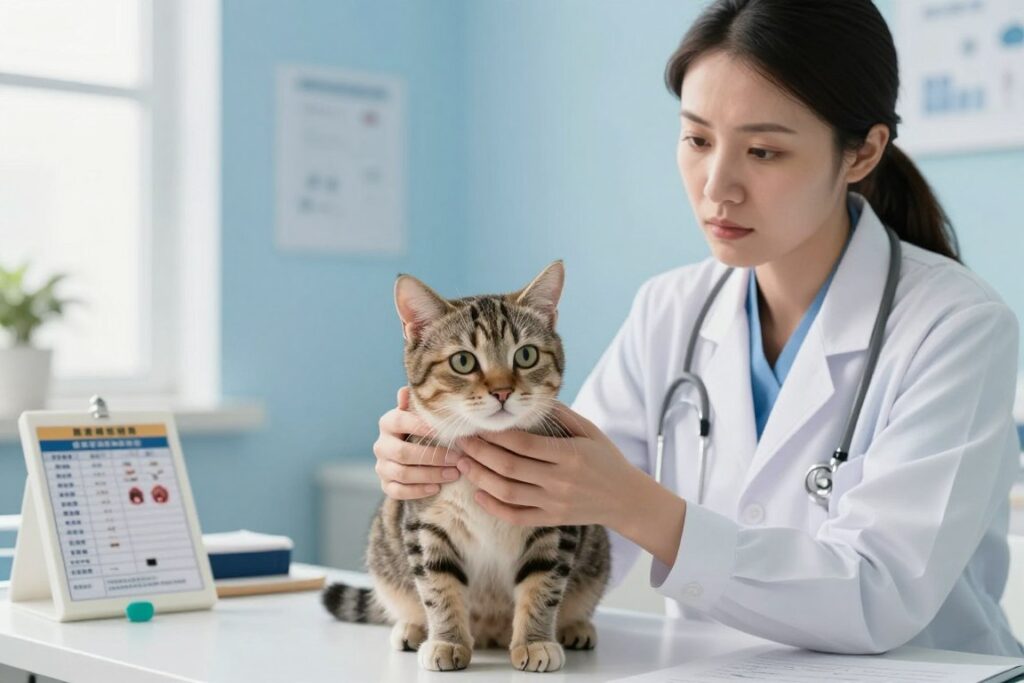
Vomiting clear liquid in cats can be a sign of various underlying issues, ranging from mild to severe. Understanding when to seek veterinary care is crucial for the health and well-being of your pet.
Emergency Warning Signs
Some symptoms indicate a need for immediate veterinary attention. If your cat exhibits any of the following, seek emergency care:
- Severe vomiting that lasts more than a few hours or is accompanied by blood
- Signs of dehydration, such as excessive thirst, dark urine, or decreased urine output
- Lethargy or depression
- Difficulty breathing or rapid breathing
- Abdominal pain or swelling
Symptoms That Warrant a Vet Visit Within 24 Hours
If your cat is vomiting clear liquid and shows any of the following symptoms, schedule a vet visit within 24 hours:
- Vomiting that persists for more than 12 hours
- Loss of appetite
- Diarrhea or constipation
- Fever or hypothermia
What to Monitor at Home
While deciding whether to seek veterinary care, monitor your cat’s condition closely. Keep track of:
- The frequency and volume of vomiting
- Appetite and water intake
- Stool quality and frequency
- Overall behavior and activity level
Information to Share with Your Veterinarian
When you visit the vet, provide as much detail as possible about your cat’s condition, including:
- The duration and characteristics of the vomiting
- Any changes in appetite, water intake, or behavior
- Recent dietary changes or exposure to toxins
- Any previous medical conditions or allergies
By being informed and prepared, you can help your veterinarian diagnose and treat the underlying cause of your cat’s vomiting, ensuring the best possible outcome for your pet.
Conclusion
Understanding why your cat is vomiting clear liquid is crucial for maintaining their overall cat health and addressing potential feline health issues. Throughout this article, we’ve explored various reasons behind this symptom, ranging from harmless causes like vomiting on an empty stomach to more serious medical conditions such as chronic kidney disease or hyperthyroidism.
It’s essential to monitor your cat’s behavior, appetite, and overall condition closely. If you notice any emergency warning signs or persistent vomiting, seeking veterinary care is paramount. Your veterinarian can provide a proper diagnosis and recommend appropriate treatment based on the underlying cause.
By staying vigilant and taking proactive steps, you can help ensure your cat receives the care they need to recover and maintain optimal health. Regular check-ups and a balanced diet also play a significant role in preventing feline health issues.
FAQ
Why is my cat vomiting clear liquid specifically in the morning?
Often, a cat vomits clear liquid or white foam in the morning because of an empty stomach. When the stomach is void of food for too long, gastric juices and bile can irritate the esophageal lining, leading to “bilious vomiting syndrome.” You might consider adjusting feeding schedules or using an automated feeder like those from PetSafe to provide smaller, more frequent meals throughout the night.
How can I tell the difference between clear liquid vomit and regurgitation?
Vomiting is an active process involving abdominal contractions and heaving. If your cat brings up clear fluid or undigested food immediately after eating without much effort, it is likely regurgitation. This is common in cats that eat too quickly. Slow-feeder bowls or specialized diets like Royal Canin Digestive Care can help manage this behavior by forcing the cat to slow down.
Can hairballs cause my cat to throw up clear fluid?
Yes. Before a hairball (trichobezoar) is actually expelled, the mass can irritate the stomach lining, causing the cat to vomit saliva and gastric fluid. If you notice your cat hacking frequently, supplemental treats like Laxatone or high-fiber formulas from Hill’s Science Diet may help move the hair through the digestive tract more efficiently.
Does clear liquid vomiting indicate feline diabetes or pancreatitis?
It can. While clear liquid is often benign, chronic vomiting is a clinical sign of systemic issues like feline diabetes, pancreatitis, or hyperthyroidism. In cases of pancreatitis, the inflammation of the pancreas causes intense nausea. If the vomiting is accompanied by lethargy, increased thirst, or weight loss, a veterinarian may run blood panels to check glucose levels and thyroid function.
Could a foreign body obstruction be the cause of the clear fluid?
Absolutely. If a cat swallows a non-food item—such as string, tinsel, or small plastic parts—it can create a gastrointestinal blockage. When food cannot pass, the cat may only be able to bring up clear fluid, saliva, or bile. This is a medical emergency that often requires diagnostic imaging like X-rays or ultrasound at an emergency clinic such as VCA Animal Hospitals.
When should I be worried about dehydration in a vomiting cat?
Dehydration is a significant risk if your cat vomits clear liquid multiple times in a 24-hour period. Check your cat’s gums; if they feel tacky or dry rather than slippery, or if the skin “tents” when gently pinched, your cat needs immediate veterinary care. Your vet may administer subcutaneous fluids or prescribe Cerenia (maropitant citrate) to stop the vomiting and prevent further fluid loss.
Can food sensitivities lead to clear liquid vomiting?
Yes, food sensitivities or Inflammatory Bowel Disease (IBD) can cause chronic stomach irritation. Even if the cat hasn’t recently eaten, the underlying inflammation can result in the expulsion of clear gastric juices. Switching to a limited-ingredient diet or a hydrolyzed protein formula, such as Purina Pro Plan Veterinary Diets HA, may be necessary to soothe the digestive system.