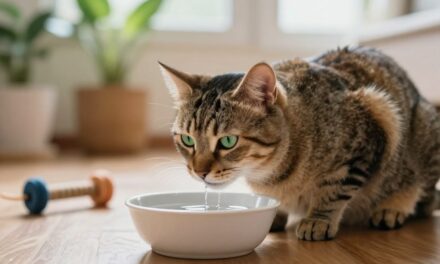
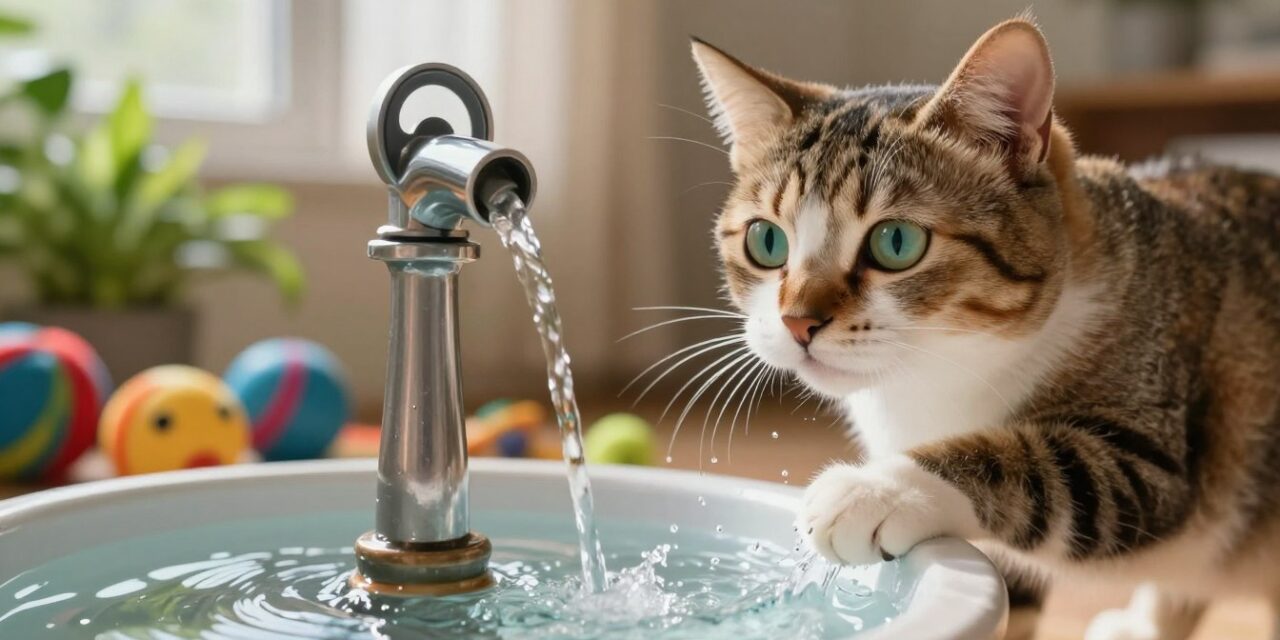
Noticing a feline friend at the bowl more often than usual often triggers concern. Owners frequently observe shifts in cat drinking habits during daily routines. While some changes appear normal, a sudden spike in fluid consumption might signal an underlying health issue.
It remains vital to monitor how often felines visit their liquid source. An excessive water intake in cats may stem from environmental factors or medical conditions. Identifying these patterns early ensures that pets receive the care they deserve.
This guide explores common reasons for increased thirst. From diet changes to metabolic shifts, understanding these signals helps maintain feline wellness. Let us examine what these behaviors mean for a pet’s health.
Key Takeaways
- Increased thirst often indicates a need for veterinary consultation.
- Dietary shifts can influence daily moisture needs for felines.
- Environmental temperatures affect how frequently pets seek hydration.
- Monitor the frequency of visits to the liquid bowl regularly.
- Early detection of behavior changes prevents future health complications.
- Metabolic conditions frequently cause significantly higher liquid needs.
Understanding Normal Water Intake in Cats
The amount of water a cat drinks can be a significant indicator of their overall health. Cats need water to maintain their bodily functions, and their water intake can vary based on several factors including diet, age, and environmental conditions.
Cats require access to fresh water at all times. The general guideline is that a cat should drink around 30-50 ml of water per kilogram of body weight per day. For example, a 4-kg (8.8 lbs) cat should drink approximately 120-200 ml (4-6.7 oz) of water daily.
How Much Water Should a Cat Drink Daily?
Understanding the daily water intake is crucial. Factors such as diet, age, and environmental conditions play a significant role in determining how much water your cat needs.
Signs of Excessive Drinking (Polydipsia)
Excessive drinking, or polydipsia, in cats is a condition where a cat drinks more water than usual. This can be a sign of an underlying health issue. Signs include visiting the water bowl more frequently, larger amounts of water consumed, and potentially, increased urination.
Measuring Your Cat’s Water Consumption
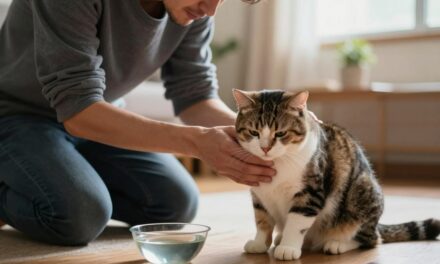
To monitor your cat’s water intake effectively, you can measure the water added to their bowl daily. A simple way is to fill the bowl with a known amount of water and then measure how much is left after 24 hours. This helps in identifying any changes in drinking habits.
Medical Conditions That Cause Excessive Thirst
Excessive thirst in cats can be a symptom of various underlying medical conditions that require immediate attention. Several health issues can lead to increased water intake in cats, and understanding these conditions is crucial for providing the right care.
Diabetes Mellitus
Diabetes mellitus is a common condition in cats that affects their ability to regulate blood sugar levels. Increased thirst is one of the primary symptoms, as the body tries to flush out excess glucose through urination.
Symptoms Beyond Increased Thirst
Besides polydipsia (excessive thirst), cats with diabetes may exhibit other symptoms such as weight loss, increased appetite, and poor coat condition. If your cat is displaying these signs, it’s essential to consult a veterinarian.
How Diabetes Affects Water Intake
When a cat has diabetes, its body either doesn’t produce enough insulin or can’t effectively use the insulin it produces. This leads to high blood sugar levels, causing the kidneys to produce more urine, which in turn increases thirst.
Chronic Kidney Disease
Chronic kidney disease (CKD) is another condition that can cause excessive thirst in cats. CKD occurs when the kidneys gradually lose their function over time.
Early Warning Signs
Early signs of CKD include increased thirst and urination, weight loss, and decreased appetite. As the disease progresses, symptoms can worsen, leading to more severe health complications.
Why Kidney Problems Increase Thirst
The kidneys play a crucial role in concentrating urine and regulating fluid balance in the body. When they are not functioning correctly, they can’t concentrate urine effectively, leading to increased urine production and, consequently, increased thirst.
Hyperthyroidism
Hyperthyroidism is a common endocrine disorder in older cats, characterized by the overproduction of thyroid hormones. This condition can lead to various symptoms, including increased thirst.
Common Symptoms in Older Cats
Older cats with hyperthyroidism may exhibit symptoms such as weight loss, increased appetite, hyperactivity, and excessive thirst. It’s crucial to monitor these symptoms and consult a veterinarian for proper diagnosis and treatment.
Urinary Tract Infections and Bladder Issues
Urinary tract infections (UTIs) and other bladder issues can also cause cats to drink more water. These conditions can lead to discomfort and increased urination, prompting the cat to drink more.
Understanding the underlying cause of your cat’s excessive thirst is vital for providing the appropriate care and treatment. If you notice any unusual changes in your cat’s drinking habits, consult a veterinarian to rule out any potential health issues.
Dietary and Environmental Factors
The amount of water a cat drinks is not just about its health; diet and environment play a significant role. A cat’s hydration needs can be influenced by its diet, the food it eats, and various environmental conditions.
Dry Food vs. Wet Food Impact
The type of food a cat eats can significantly affect its water intake. Cats that are fed dry food tend to drink more water compared to those fed wet food. This is because dry food contains less moisture than wet food. Wet food, with its higher moisture content, can contribute to a cat’s daily water intake, potentially reducing the need to drink as much water.
For instance, a cat eating primarily dry food may drink more to compensate for the lack of moisture in its diet. On the other hand, cats on a wet food diet might drink less because their dietary moisture intake is higher. It’s essential to consider the composition of your cat’s diet when evaluating its water drinking habits.

High Sodium Content in Cat Food
The sodium content in a cat’s food can also impact its water intake. High sodium levels can lead to increased thirst, causing a cat to drink more water. This is because the body tries to dilute the sodium, leading to increased water consumption.
Cat owners should be aware of the sodium content in their cat’s food, especially if their pet is drinking excessively. Choosing foods with balanced sodium levels can help manage a cat’s water intake.
Hot Weather and Temperature Changes
Environmental factors, such as hot weather and significant temperature changes, can influence a cat’s hydration needs. Just like humans, cats may drink more water in hotter conditions to stay hydrated.
During heatwaves or in generally warmer climates, it’s not uncommon for cats to increase their water intake. Ensuring that your cat always has access to fresh, cool water is crucial during these periods.
Increased Exercise and Activity Levels
A cat’s activity level can also affect how much water it drinks. Cats that are more active or engage in strenuous play may need more water to replenish lost fluids.
Monitoring your cat’s activity levels and ensuring it has adequate access to water, especially after play or exercise, can help maintain its hydration.
Why Is My Cat Drinking So Much Water: Behavioral Reasons
Cats often exhibit behaviors that puzzle their owners, and excessive water drinking is one such behavior that warrants exploration. Behavioral factors can significantly influence a cat’s drinking habits, making it essential to understand these underlying causes.
Stress and Anxiety Triggers
Stress and anxiety can lead to increased water consumption in cats. Changes in the household, such as a new pet or person, can cause stress. Cats may also experience anxiety due to changes in their environment, such as a rearranged living space.
Identifying the source of stress is crucial. Common stress triggers include changes in the owner’s work schedule, moving to a new home, or even changes in the cat’s litter box or feeding routine.
Compulsive Drinking Behavior
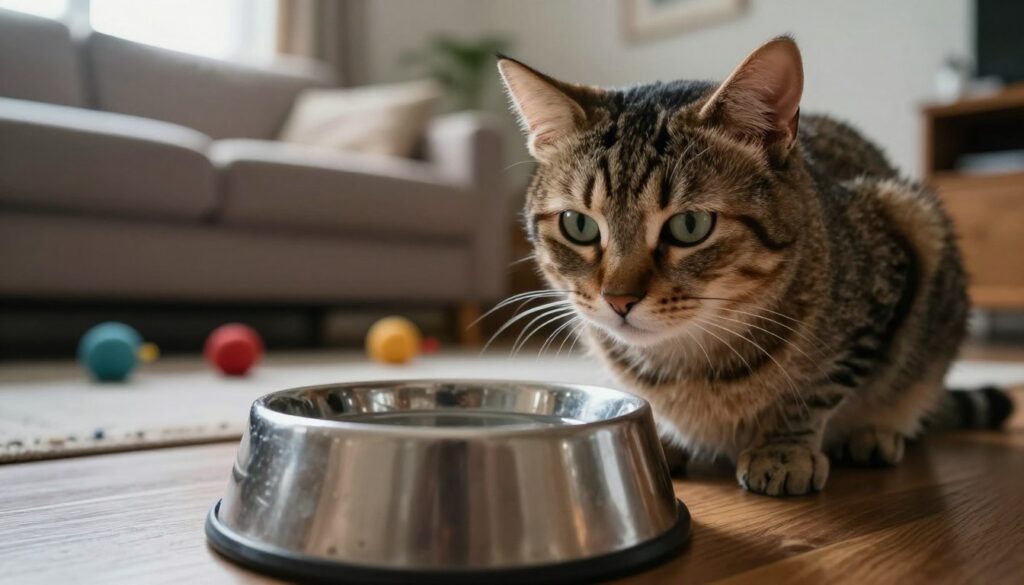
In some cases, cats may develop compulsive drinking behavior, which can be a sign of an underlying issue. This behavior is characterized by excessive drinking that is not necessarily related to thirst.
Compulsive drinking can be triggered by various factors, including stress, boredom, or medical conditions. It’s essential to monitor your cat’s behavior and consult a veterinarian if you suspect compulsive drinking.
Changes in Routine or Living Environment
Changes in a cat’s routine or living environment can also impact their water intake. For example, a change in the cat’s feeding schedule or the introduction of new pets can cause an increase in water consumption.
Additionally, changes in the weather or temperature can influence a cat’s drinking habits. Cats may drink more water during hot weather or if they are more active than usual.
When to Be Concerned About Your Cat’s Water Intake
As a cat owner, it’s essential to understand when your cat’s water drinking habits become a cause for concern. Monitoring your cat’s health involves more than just ensuring they have enough food and water; it requires being vigilant about changes in their behavior, including their water intake.
Red Flag Symptoms to Watch For
There are several signs that may indicate your cat’s excessive water intake is a cause for concern. These include visible signs of illness and changes in their drinking habits.
Accompanying Signs of Illness
If your cat is drinking more water than usual and is also showing signs of illness such as vomiting, diarrhea, or lethargy, it’s crucial to seek veterinary advice. These symptoms can be indicative of underlying conditions such as diabetes mellitus or hyperthyroidism.
Sudden vs. Gradual Changes
A sudden increase in water consumption is more likely to be a cause for concern than a gradual change. If you notice your cat is drinking significantly more water over a short period, it’s worth investigating further.
How to Monitor Your Cat’s Drinking Habits
Effective monitoring involves tracking your cat’s daily water consumption and maintaining a health journal.
Tracking Daily Water Consumption
To track your cat’s water intake, measure the amount of water you put in their bowl and check how much is left after a day. This will give you a clear idea of their daily consumption.
Keeping a Health Journal
Keeping a health journal for your cat can help you identify patterns and changes in their behavior and health. Record their water intake, appetite, and any signs of illness.
What to Do If Your Cat Is Drinking Excessively
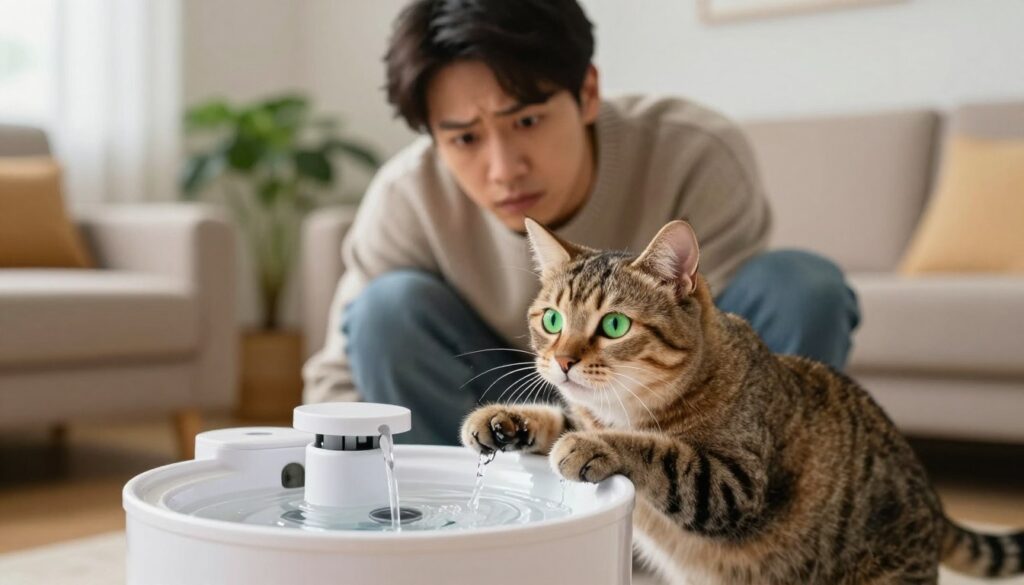
Excessive drinking in cats can be a sign of an underlying health issue that needs attention. If you’ve observed that your cat is consuming more water than usual, it’s essential to take a systematic approach to identify the cause and appropriate course of action.
Immediate Steps to Take at Home
Before visiting the vet, there are a few steps you can take at home to help identify the issue. First, monitor your cat’s water intake closely to confirm that it’s indeed excessive. You can do this by measuring the amount of water your cat drinks daily.
Next, observe your cat’s overall behavior and look for any other symptoms such as changes in appetite, vomiting, or lethargy. These observations can be crucial for your vet.
Preparing for a Veterinary Visit
Preparing for a vet visit involves gathering relevant information and asking the right questions. This preparation ensures that you get the most out of your visit.
Information to Gather
- The amount of water your cat drinks daily
- Any changes in your cat’s diet or environment
- Other symptoms you’ve observed, such as increased urination, weight loss, or changes in appetite
- Your cat’s medical history, including any previous illnesses or vaccinations
Questions to Ask Your Vet
- What could be the potential causes of my cat’s excessive drinking?
- What diagnostic tests will be necessary to determine the cause?
- Are there any immediate steps I can take to help my cat?
- What treatment options are available based on the diagnosis?
Diagnostic Tests Your Vet May Recommend
Your vet may recommend several diagnostic tests to determine the underlying cause of your cat’s excessive thirst.
Blood Work and Urinalysis
Blood work can help identify issues such as diabetes, kidney disease, or hyperthyroidism. Urinalysis can provide insights into your cat’s kidney function and help detect urinary tract infections.
Additional Testing Options
Depending on the initial findings, your vet may suggest additional tests such as imaging studies (e.g., X-rays or ultrasound) to further investigate the cause.
By being prepared and working closely with your vet, you can help identify the cause of your cat’s excessive drinking and ensure they receive the appropriate care.
Conclusion
Understanding why a cat is drinking so much water is crucial for maintaining its overall feline health. Various factors, including medical conditions, dietary influences, and environmental changes, can contribute to excessive thirst in cats.
By recognizing the signs of polydipsia and monitoring a cat’s water intake, owners can identify potential issues early on. Implementing cat care tips such as providing a balanced diet, ensuring access to fresh water, and creating a stress-free environment can help mitigate excessive drinking.
If a cat’s water intake remains high, consulting a veterinarian is essential to rule out underlying health issues. With proper care and attention, cat owners can help their pets lead healthier, happier lives.