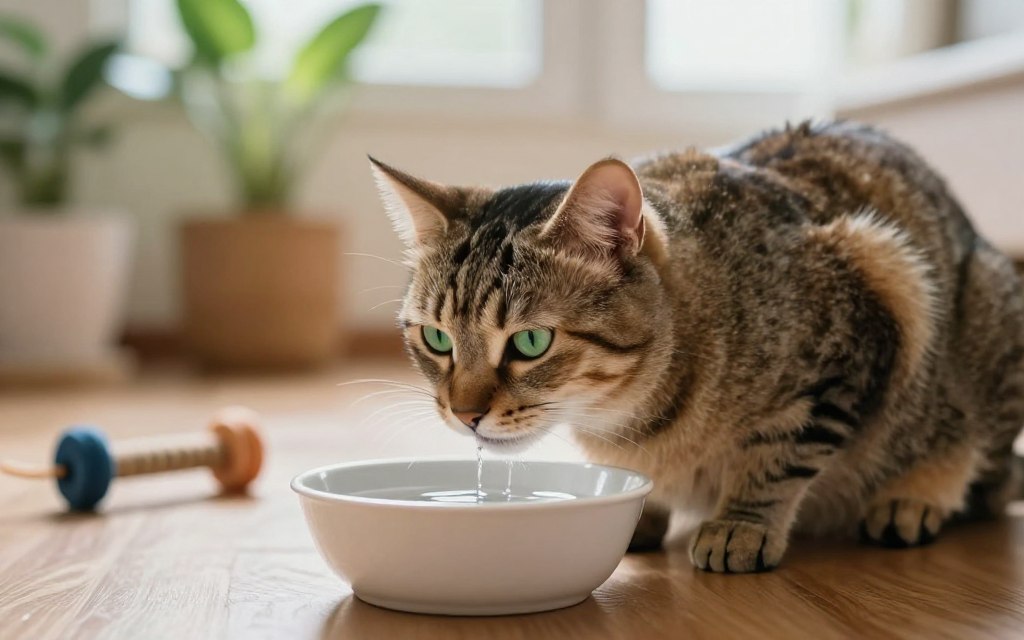
Observing a feline refuse its meal causes immediate worry for any owner. While the animal avoids its kibble, it might still frequent the bowl for hydration. This sudden change in feline eating behavior often signals health issues. These problems require quick attention to ensure the pet stays strong.
Pet owners often wonder about the specific cause when a feline refusing food persists for over twenty-four hours. If the furry friend keeps consuming fluids despite a total lack of appetite, the situation becomes puzzling. Maintaining health requires a balance of nutrients. Refusal to consume solids remains a serious red flag for any household animal.
This guide explores the complex reasons why is my cat not eating but drinking water to help families identify potential medical concerns. It covers common illnesses and environmental factors that affect a pet’s routine. Understanding these signs helps ensure a long, happy life for every four-legged companion.
Consistent monitoring remains vital for the well-being of the animal. Early detection of these symptoms can lead to better recovery outcomes. Providing comfort and a quiet space helps a sick pet recover faster.
Key Takeaways
- Spot dental issues and oral pain early.
- Recognize signs of kidney failure or metabolic shifts.
- Evaluate environmental stress factors and anxiety triggers.
- Identify potential gastrointestinal blockages or obstructions.
- Consult a professional veterinarian for a proper diagnosis.
- Observe changes in hydration habits and fluid intake.
Understanding Your Cat’s Eating and Drinking Behavior
Observing your cat’s eating and drinking habits can provide valuable insights into their health. Cats are known for their fastidious nature, and their eating habits can be influenced by a variety of factors, including their natural instincts, environment, and health status.
A cat’s normal eating behavior is characterized by grazing throughout the day, with peaks at dawn and dusk, mirroring their natural hunting patterns. However, domestication has led to adaptations in feeding behavior, with many cats adjusting to the feeding schedule provided by their owners.
Factors Influencing Appetite: Several factors can affect a cat’s appetite, including age, health, and environmental changes. For instance, kittens and younger cats tend to have higher metabolisms and may eat more frequently than older cats.
Drinking Behavior: Cats are also particular about their water intake. While some cats drink a significant amount of water, others may not drink enough, potentially leading to dehydration. Ensuring access to fresh, clean water is crucial.
Understanding these aspects of feline behavior can help cat owners identify any deviations from normal behavior, which could indicate underlying health issues. Monitoring eating and drinking habits closely is an essential part of cat care.
Why Is My Cat Not Eating But Drinking Water: Common Causes
Observing a cat that has lost its appetite but still drinks water can be puzzling and worrisome for cat owners. This behavior could be indicative of various underlying issues, ranging from medical conditions to changes in the cat’s environment or behavior. Understanding the potential causes is crucial for cat owners to provide the necessary care and support.
Medical Reasons for Loss of Appetite
Several medical conditions can lead to a decrease in a cat’s appetite. These include infections, dental problems, gastrointestinal issues, and chronic diseases such as kidney disease or diabetes. Identifying the underlying medical cause is essential for appropriate treatment.
Some common medical reasons for loss of appetite in cats are:
- Infections and fever
- Dental pain or oral infections
- Gastrointestinal disorders
- Chronic diseases like kidney disease or liver disease
Behavioral and Environmental Factors
Changes in a cat’s environment or behavior can also affect its appetite. Stress, anxiety, and changes in the household can lead to a decrease in appetite. Understanding and addressing these factors can help in managing the cat’s eating habits.
| Environmental Factor | Potential Impact on Appetite |
|---|---|
| Change in Household | Stress due to new pets, people, or rearranged living spaces |
| Stress and Anxiety | Can suppress appetite due to emotional distress |
| Food Quality and Variety | Unappealing food can lead to decreased interest in eating |
Dental Problems and Oral Pain
Cats often hide their discomfort, but dental problems can be a significant reason behind their loss of appetite. Dental issues can cause considerable pain and discomfort, making it challenging for cats to eat.
Signs of Dental Issues in Cats
Dental problems in cats can manifest in various ways. Some common signs include:
- Bad breath
- Red or swollen gums
- Yellow or brown teeth
- Changes in eating habits
- Pawing at the mouth
How Dental Pain Affects Eating Habits
Oral pain can significantly affect a cat’s willingness to eat. Cats with dental issues may show a preference for softer foods or may avoid eating altogether due to the pain associated with chewing.
| Signs of Dental Issues | Effect on Eating Habits |
|---|---|
| Bad breath, red or swollen gums | Avoidance of hard foods |
| Yellow or brown teeth | Preference for softer foods |
| Pawing at the mouth | Reduced appetite due to pain |
By understanding the signs of dental issues and their impact on eating habits, cat owners can take the first step towards addressing their cat’s loss of appetite.
Gastrointestinal Issues and Digestive Problems
The relationship between gastrointestinal health and appetite in cats is complex and multifaceted. Gastrointestinal issues can significantly impact a cat’s eating habits, leading to a decrease or complete loss of appetite.
Gastrointestinal problems in cats can stem from various causes, including infections, inflammatory conditions, and food sensitivities. These issues can cause discomfort, pain, and a range of symptoms that may discourage a cat from eating.
Common Digestive Disorders in Cats
Cats can suffer from several digestive disorders that affect their appetite. Some of the most common include:
- Gastroenteritis: Inflammation of the stomach and intestines, often caused by infections or dietary indiscretions.
- Inflammatory Bowel Disease (IBD): A chronic condition characterized by inflammation of the digestive tract.
- Food Allergies or Sensitivities: Adverse reactions to certain ingredients in a cat’s diet.
These conditions can lead to symptoms such as vomiting, diarrhea, and abdominal pain, making it uncomfortable for the cat to eat.
Symptoms to Watch For
Identifying the symptoms of gastrointestinal issues is crucial for early diagnosis and treatment. Some key symptoms to watch for include:
| Symptom | Description |
|---|---|
| Vomiting | Frequent or persistent vomiting can indicate gastrointestinal distress. |
| Diarrhea | Loose or watery stools can be a sign of gastrointestinal infection or inflammation. |
| Abdominal Pain | Cats may show signs of pain or discomfort in the abdominal area. |
| Loss of Appetite | A decrease in appetite can be associated with various gastrointestinal issues. |
If your cat is exhibiting any of these symptoms alongside a loss of appetite, it’s essential to consult with a veterinarian to determine the underlying cause and appropriate treatment.
Stress, Anxiety, and Changes in Routine
Feline stress and anxiety can manifest in various ways, including a loss of appetite. Cats are creatures of habit and prefer a stable environment. When their routine is disrupted or they experience stress, it can affect their eating habits.
Environmental Stressors That Affect Appetite
Several environmental factors can cause stress in cats, leading to a decrease in appetite. These include:
- Changes in the household, such as moving to a new home or rearranging furniture
- Introduction of new pets or people
- Loud noises or construction
- Changes in your work schedule or daily routine
These stressors can make your cat feel anxious or uncomfortable, resulting in a loss of interest in food.
Behavioral Signs of Stress in Cats
Cats exhibit stress and anxiety in different ways. Some common behavioral signs include:
- Hiding or avoiding social interactions
- Increased vocalization or meowing
- Pacing or restlessness
- Changes in grooming habits
Recognizing these signs can help you identify if your cat’s loss of appetite is related to stress or anxiety.
By understanding the causes of stress and anxiety in cats, you can take steps to mitigate their impact and encourage your cat to eat normally again.
Serious Health Conditions That Require Immediate Attention
When a cat stops eating but continues to drink water, it can be a sign of a serious underlying health condition that requires immediate veterinary attention. Cats are known for their resilience, but a loss of appetite can be a critical indicator of their health status.
Several serious health conditions can cause a cat to stop eating while still drinking water. Understanding these conditions can help cat owners recognize the severity of the situation and seek timely veterinary care.
Kidney Disease and Urinary Issues
Kidney disease is a common condition in cats, especially as they age. It can lead to a decrease in appetite due to the buildup of toxins in the blood. Cats with kidney disease may also exhibit increased thirst and urination.
Urinary issues, such as blockages or infections, can also cause a cat to lose its appetite. These conditions are painful and can lead to more severe complications if not treated promptly.
| Condition | Symptoms | Consequences if Untreated |
|---|---|---|
| Kidney Disease | Loss of appetite, increased thirst, weight loss | Kidney failure, toxin buildup |
| Urinary Blockage | Painful urination, straining to urinate | Kidney damage, rupture of the bladder |
| Urinary Tract Infection | Frequent urination, accidents outside litter box | Sepsis, kidney damage |
Liver Disease and Hepatic Lipidosis
Liver disease encompasses a range of conditions that affect the liver’s function. Hepatic lipidosis, a condition characterized by the accumulation of fat in the liver, is particularly common in cats. It often occurs in obese cats or those that have undergone rapid weight loss.
Cats with liver disease may exhibit a decrease in appetite, among other symptoms like vomiting and lethargy. If left untreated, liver disease can lead to severe health complications.
Infections and Fever
Infections, whether bacterial, viral, or fungal, can cause a cat to lose its appetite. Fever often accompanies infections and can further suppress a cat’s desire to eat.
Common infections in cats include respiratory infections, abscesses, and pyometra (a uterine infection in unspayed females). Prompt veterinary care is essential to diagnose and treat these conditions effectively.
Recognizing the signs of serious health conditions early on can significantly improve a cat’s chances of recovery. If your cat is not eating but drinking water, it is crucial to monitor their condition closely and seek veterinary advice.
How to Assess Your Cat’s Condition at Home
Cats often hide signs of illness, making it crucial for owners to be vigilant and assess their cat’s condition at home. By following a systematic approach, you can gather valuable information to share with your veterinarian.
Step 1: Check for Physical Symptoms
Begin by examining your cat for any visible physical symptoms. Look for changes in their overall appearance, such as weight loss, dull coat, or discharge from the eyes or nose. Check their mouth for signs of dental issues, like bad breath, red gums, or loose teeth.
Inspect your cat’s body for any abnormalities, such as lumps, bumps, or areas of tenderness. Also, monitor their vital signs, including temperature, pulse, and breathing rate.
Step 2: Monitor Behavior and Activity Levels
Observe your cat’s behavior and activity levels closely. Note any changes in their appetite, energy levels, or interaction with the environment. Are they more lethargic or hiding more than usual? Are they still engaging in normal activities like grooming or playing?
Step 3: Evaluate the Duration of Appetite Loss
Determine how long your cat has been refusing food. A loss of appetite that lasts more than 24 hours can be a cause for concern. Keep a record of when the issue started and any factors that might have contributed to it.
Step 4: Assess Water Intake and Litter Box Habits
Monitor your cat’s water intake to ensure they are staying hydrated. Also, observe their litter box habits. Changes in urination frequency, volume, or stool quality can indicate underlying health issues.
To help track these changes, you can use the following table:
| Observation | Normal | Abnormal |
|---|---|---|
| Water Intake | Drinking normally | Increased/decreased intake |
| Litter Box Habits | Normal frequency and volume | Changes in frequency or volume |
| Stool Quality | Normal consistency | Diarrhea or constipation |
By following these steps and monitoring your cat’s condition closely, you can provide your veterinarian with valuable insights to help diagnose and treat any underlying health issues.
When to Contact Your Veterinarian
Recognizing the right moment to contact your veterinarian can be lifesaving for your cat. When a cat stops eating but continues to drink water, it can be a sign of an underlying issue that needs attention.
Warning Signs That Require Immediate Care
Certain symptoms indicate that your cat needs immediate veterinary care. These include:
- Vomiting or diarrhea that persists for more than a day
- Visible signs of pain or distress
- Blood in the stool or vomit
- Rapid weight loss
- Lethargy or depression
If you observe any of these symptoms, it’s crucial to contact your veterinarian promptly.
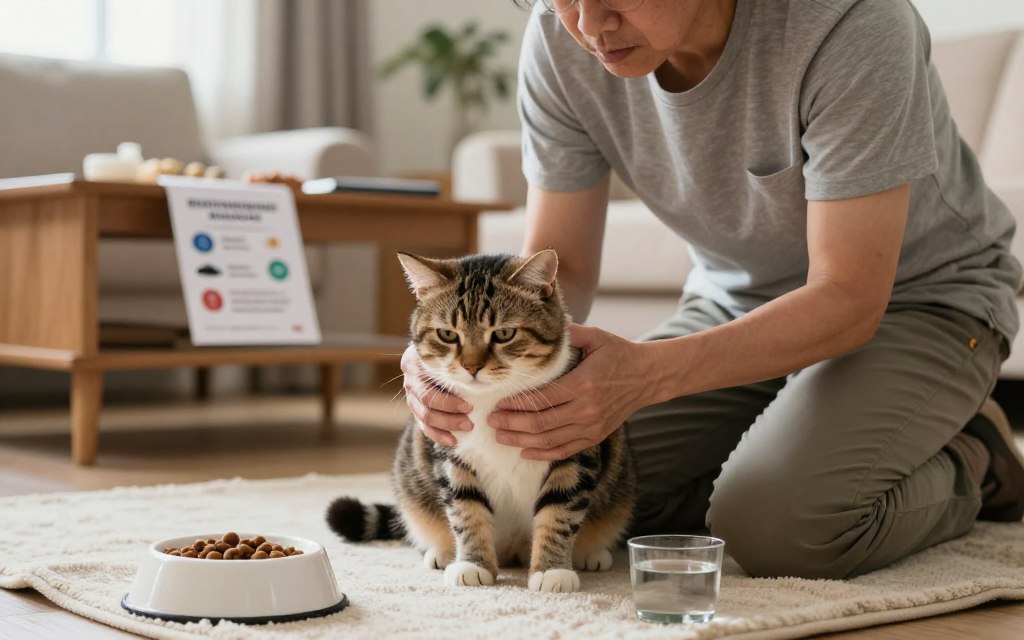
Questions Your Vet Will Ask
When you contact your veterinarian, they will likely ask a series of questions to help diagnose the issue. These may include:
| Question Category | Example Questions |
|---|---|
| Appetite and Eating Habits | When did your cat stop eating? Has there been a change in the type of food? |
| Overall Health | Has your cat shown any signs of illness, such as vomiting or diarrhea? |
| Behavioral Changes | Has your cat’s behavior changed, such as increased lethargy or hiding? |
Being prepared to answer these questions can help your veterinarian provide a more accurate diagnosis and effective treatment plan.
What to Expect During a Veterinary Visit
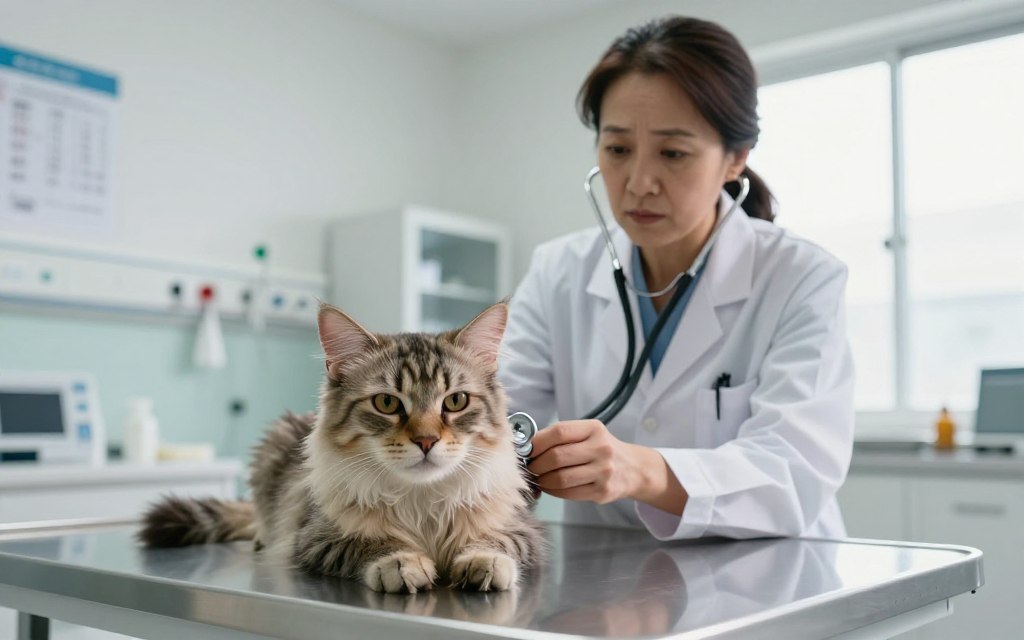
When a cat stops eating but continues to drink water, a visit to the veterinarian is crucial for determining the underlying cause. The veterinarian will perform a comprehensive examination to identify the reason behind the cat’s loss of appetite.
A thorough veterinary visit involves several steps, starting with a detailed history of the cat’s behavior, medical history, and any changes in the environment or routine. This information is vital for the veterinarian to narrow down potential causes.
Diagnostic Tests and Examinations
The veterinarian may conduct various diagnostic tests to determine the cause of the cat’s loss of appetite. These tests may include:
- Blood tests to check for infections, inflammatory conditions, or organ dysfunction.
- Urinalysis to assess kidney function and detect urinary tract infections.
- Imaging studies such as X-rays or ultrasound to evaluate the gastrointestinal tract and other internal organs.
- Dental examination to check for oral pain or dental issues.
Treatment Options Based on Diagnosis
Once the diagnosis is made, the veterinarian will recommend appropriate treatment options. These may vary depending on the underlying cause and can include:
- Medical treatment for conditions such as infections, gastrointestinal issues, or kidney disease.
- Dental care for cats with dental problems.
- Dietary changes to manage conditions such as food allergies or sensitivities.
- Behavioral therapy or environmental changes to reduce stress and anxiety.
In some cases, the veterinarian may prescribe appetite stimulants to encourage the cat to eat. It’s essential to follow the veterinarian’s recommendations and monitor the cat’s progress closely.
How to Encourage Your Cat to Eat
If your cat is not eating but drinking water, there are several strategies you can try to stimulate their appetite. Encouraging a cat to eat again involves understanding their preferences and making mealtime as appealing as possible.
Offer Highly Palatable Foods
One of the first steps is to offer your cat highly palatable foods. Cats often prefer foods with strong-smelling ingredients or those that are high in protein. Consider switching to a different brand or flavor that your cat finds particularly appealing.
Tips for selecting palatable food:
- Choose foods with named protein sources (e.g., chicken, salmon).
- Avoid fillers and by-products.
- Consider adding a small amount of wet food to their meals.
Warm Up the Food
Warming up your cat’s food can make it more appealing by enhancing the aroma. Many cats prefer their food at room temperature or slightly warmed.
How to warm up your cat’s food:
- Microwave the food for a few seconds.
- Mix in some warm water or broth.
- Serve the food immediately after warming.
Try Different Textures and Flavors
Cats can get bored with the same texture and flavor, so varying their diet can help stimulate their appetite. Mixing different textures, such as wet and dry food, can make mealtime more interesting.
Create a Calm Feeding Environment
A stress-free feeding environment is crucial. Ensure the feeding area is quiet, comfortable, and free from distractions.
Tips for creating a calm environment:
- Place the food and water bowls in a quiet area.
- Avoid placing the litter box near the feeding area.
- Minimize changes in the feeding schedule.
Hand-Feed or Use Feeding Assistance
For cats that are particularly finicky or stressed, hand-feeding or using feeding assistance devices can be helpful.
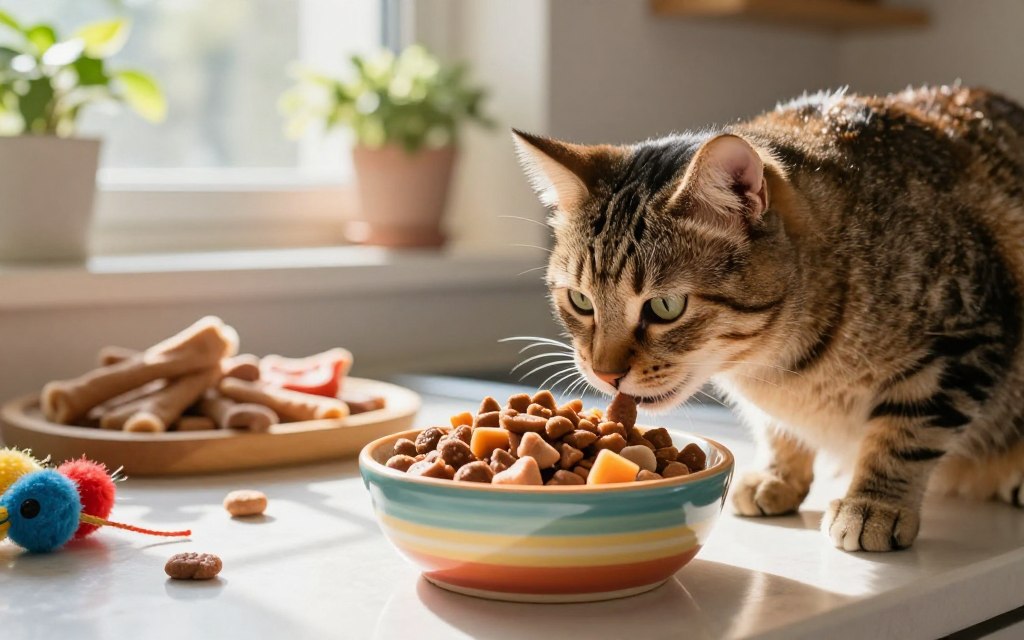
A comparison of different feeding strategies can help you identify what works best for your cat.
| Feeding Strategy | Description | Benefits |
|---|---|---|
| Highly Palatable Foods | Offering foods with strong-smelling ingredients or high protein content. | Stimulates appetite, provides essential nutrients. |
| Warming Up Food | Enhancing the aroma of the food by warming it. | Makes food more appealing, encourages eating. |
| Different Textures and Flavors | Varying the diet to include different textures and flavors. | Makes mealtime interesting, prevents boredom. |
Preventing Future Appetite Problems
Preventing appetite problems in cats requires a multi-faceted approach that includes regular health checks and a stable environment. By understanding and implementing a few key strategies, cat owners can significantly reduce the likelihood of their cat experiencing a loss of appetite.
Regular Veterinary Checkups
Regular veterinary checkups are crucial for maintaining your cat’s overall health and detecting any potential issues early. Veterinary checkups can help identify health problems before they become severe enough to affect your cat’s appetite.
- Schedule annual or bi-annual checkups depending on your cat’s age and health status.
- Keep your cat up-to-date on all vaccinations and preventive care.
Maintaining a Consistent Routine
Cats thrive on routine, and changes in their environment or schedule can cause stress that may lead to a loss of appetite.
Maintaining a consistent routine involves:
- Feeding your cat at the same times each day.
- Minimizing changes in your cat’s environment.
- Providing a calm and comfortable space for eating.
Proper Nutrition and Diet Management
Proper nutrition is vital for your cat’s health, and managing their diet effectively can prevent appetite problems.
Consider the following:
- Provide a balanced and nutrient-rich diet appropriate for your cat’s life stage.
- Avoid overfeeding or underfeeding, as both can lead to health issues.
- Rotate your cat’s food periodically to prevent boredom with the same flavor.
By following these guidelines, cat owners can take proactive steps to prevent future appetite problems in their pets.
Conclusion
Understanding why a cat is not eating but drinking water is crucial for cat owners to ensure their pet’s health and well-being. Various factors can contribute to a cat’s loss of appetite, ranging from dental problems and gastrointestinal issues to stress and serious health conditions.
By assessing a cat’s condition at home and seeking veterinary care when necessary, owners can help identify and address underlying causes. A veterinarian can perform diagnostic tests and provide treatment options tailored to the cat’s specific needs.
Encouraging a cat to eat and maintaining a consistent routine can also help prevent future appetite problems. Regular veterinary checkups and proper nutrition are essential for maintaining a cat’s overall health.
By being aware of the potential causes of appetite loss and taking proactive steps, cat owners can help their pets recover and thrive. Cat health depends on a combination of proper care, attention, and timely veterinary intervention.
FAQ
Why is my cat not eating but drinking water?
When a feline stops eating but continues to drink, it is often a sign of anorexia or hyporexia triggered by an underlying medical condition. Common culprits include chronic kidney disease, feline diabetes, or hyperthyroidism, where the cat may experience increased thirst (polydipsia) while losing interest in food due to nausea or metabolic imbalances.
What dental problems can cause a loss of appetite in cats?
Oral health issues such as periodontal disease, feline resorptive lesions, and stomatitis cause significant pain during mastication. If a cat approaches the bowl but hesitates to bite or drops food, they may be suffering from gingivitis or a fractured tooth. Using Veterinary Oral Health Council (VOHC) approved treats or switching to soft formulas like Royal Canin Aging 12+ can sometimes help, but a professional cleaning is usually required.
Can environmental stress cause a cat to stop eating?
Yes, cats are highly sensitive to changes in their territory. Moving to a new home, the introduction of a new pet, or even loud construction can trigger feline anxiety. In these cases, the cat may hide and refuse food. Synthetic pheromones, such as Feliway, can help create a sense of security, but persistent refusal to eat requires veterinary intervention to prevent hepatic lipidosis.
What are the symptoms of gastrointestinal issues I should look for?
Beyond a lack of appetite, owners should monitor for vomiting, diarrhea, constipation, or abdominal bloating. These symptoms may indicate Inflammatory Bowel Disease (IBD), gastritis, or a potential gastrointestinal obstruction caused by the ingestion of a foreign object or hairballs.
How long can a cat go without eating before it becomes an emergency?
If a cat has not eaten for more than 24 to 48 hours, it is considered a medical emergency. Unlike dogs, cats are prone to fatty liver disease (hepatic lipidosis) when they stop consuming calories. This condition can lead to liver failure rapidly, making early intervention critical for survival.
How can I encourage my cat to eat at home?
To stimulate a cat’s appetite, try offering highly palatable and aromatic wet foods, such as Fancy Feast or Hill’s Prescription Diet a/d Urgent Care. Warming the food slightly in the microwave can enhance the scent, making it more appealing to a cat with a diminished sense of smell due to upper respiratory infections.
What diagnostic tests will a veterinarian perform?
A veterinarian will typically start with a comprehensive physical exam and a complete blood count (CBC). They may also run a biochemical profile to check organ function, a urinalysis, and potentially imaging like X-rays or an ultrasound to look for internal abnormalities or tumors.
Is kidney disease a common reason for increased thirst and decreased hunger?
Chronic Kidney Disease (CKD) is one of the most frequent diagnoses in senior cats exhibiting these symptoms. As the kidneys struggle to filter toxins, the cat feels nauseous and loses their appetite, while the inability to concentrate urine leads to excessive drinking to stay hydrated.
How does a consistent routine help prevent appetite problems?
Maintaining a consistent feeding schedule and a stable environment reduces the risk of stress-induced fasting. Providing high-quality nutrition, such as Purina Pro Plan, and ensuring regular wellness checkups allows veterinarians to catch early signs of metabolic issues before they result in a total loss of appetite.