Pet owners often face a confusing situation when a feline friend stays active despite having loose stools. It is common to feel stress when unexpected changes happen in a daily routine. Monitoring cat health is a key priority for people who want their pets to stay strong.
Seeing this specific digestive issue in a happy pet is puzzling for many families. While the animal feels fine, internal shifts suggest something is slightly off. This guide explores why these symptoms happen and how to manage the process with ease.
Key Takeaways
- Monitor energy levels and appetite for any sudden changes.
- Identify potential dietary triggers for any digestive upset.
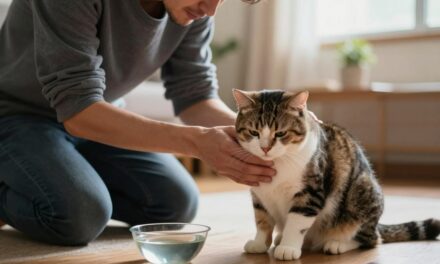
- Keep the pet hydrated to prevent excessive fluid loss.
- Look for subtle signs of discomfort or abdominal pain.
- Consult a veterinarian if symptoms last over 48 hours.
- Review recent changes in the home environment or food.
Understanding Why Cats Have Diarrhea While Acting Normal
The phenomenon of cats having diarrhea while still acting normally is not uncommon, and understanding this requires insight into feline behavior and health. Cats are known for their ability to conceal signs of illness or weakness, a trait inherited from their wild ancestors.
The Feline Instinct to Hide Illness
In the wild, showing signs of weakness can make a cat vulnerable to predators. As a result, cats have evolved to hide symptoms of illness or injury. This natural behavior is still present in domesticated cats, making it difficult for owners to recognize when their cat is not feeling well.
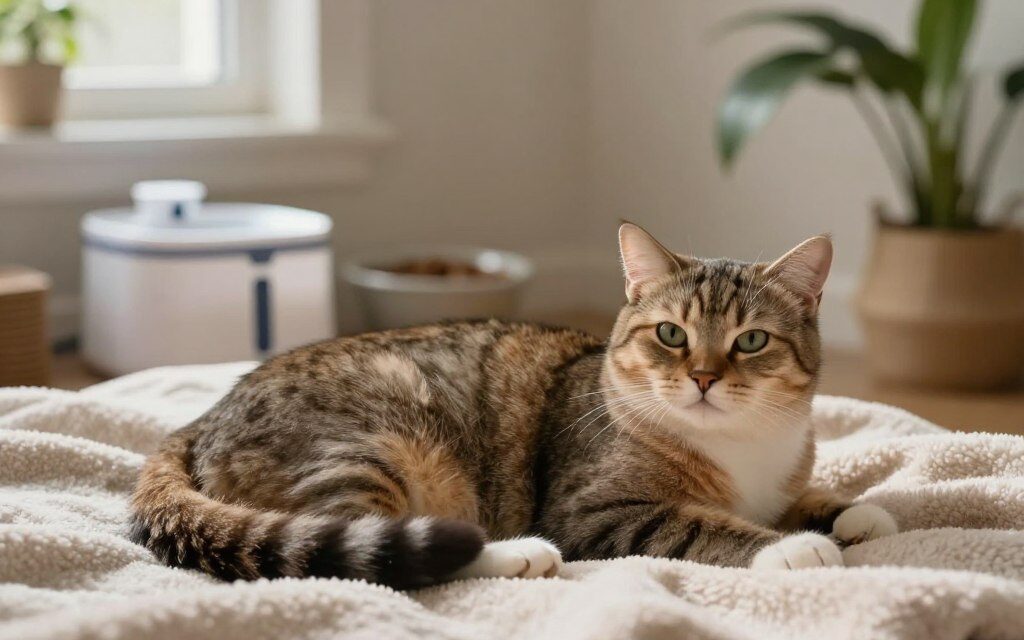
Cats will often continue with their normal activities, such as eating, sleeping, and interacting, even when they are not feeling well. This can be misleading, as owners might assume that their cat is healthy simply because they are acting normally.
What Normal Behavior Looks Like in Sick Cats
Normal behavior in cats includes a range of activities such as grooming, playing, and purring. Even when cats are experiencing digestive issues like diarrhea, they may still exhibit these normal behaviors. It’s essential for cat owners to be aware of subtle changes in their cat’s behavior or appetite, as these can be indicators of underlying health issues.
Key behaviors to monitor include:
- Appetite changes
- Vomiting or diarrhea
- Lethargy or increased sleep
- Changes in litter box behavior
Being vigilant about these changes can help owners identify potential health problems early on.
7 Common Reasons for Cat Diarrhea But Acting Normal
Diarrhea in cats can be a puzzling condition, especially when they continue to behave as usual. Despite their seemingly normal behavior, there are several underlying reasons that could be causing their diarrhea. Understanding these reasons is crucial for cat owners to provide the appropriate care and attention.
1. Sudden Dietary Changes or New Food
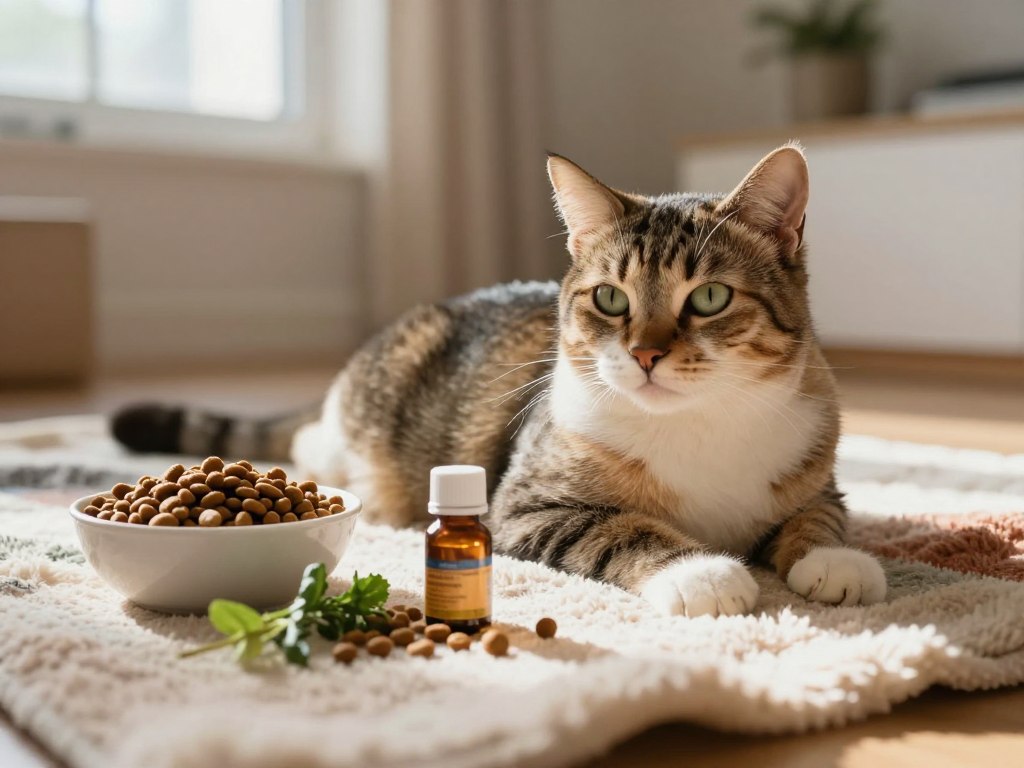
Cats have sensitive digestive systems, and sudden changes in their diet can lead to diarrhea. Introducing new food gradually can help prevent this issue. A gradual transition period allows the cat’s digestive system to adjust to the new ingredients.
2. Food Intolerances and Sensitivities
Just like humans, cats can develop intolerances or sensitivities to certain food ingredients. Common culprits include beef, dairy, or soy. Identifying and eliminating the offending ingredient can resolve the diarrhea.
3. Stress-Related Digestive Upset
Stress can significantly impact a cat’s digestive health, leading to diarrhea. Changes in the environment, new pets, or even a change in the owner’s work schedule can cause stress. Providing a calm and stable environment is essential.
4. Intestinal Parasites Like Giardia or Roundworms
Intestinal parasites are a common cause of diarrhea in cats. Regular deworming and parasite control measures are crucial in preventing and treating parasite-induced diarrhea.
5. Mild Bacterial or Viral Infections
Cats can contract mild bacterial or viral infections that cause diarrhea. While many cats can recover on their own, veterinary advice is recommended to determine the best course of action.
6. Excessive Treats or Human Food
Feeding cats excessive treats or human food can disrupt their digestive balance, leading to diarrhea. Sticking to a balanced and nutritionally complete cat food is advisable.
7. Medication or Antibiotic Side Effects
Certain medications and antibiotics can cause diarrhea in cats as a side effect. If your cat is on medication and develops diarrhea, consulting with a veterinarian to adjust the treatment plan is necessary.
By understanding these common reasons, cat owners can take the first step towards addressing their cat’s diarrhea and ensuring they receive the proper cat care. If the condition persists, seeking veterinary advice is always the best course of action.
6 Effective Steps to Manage Your Cat’s Diarrhea at Home
Managing your cat’s diarrhea at home requires attention to detail and a few simple steps. By following these guidelines, you can help your cat feel more comfortable and reduce the risk of complications.
1. Monitor Stool Frequency, Consistency, and Appearance
Keeping track of your cat’s stool can provide valuable insights into their digestive health. Note the frequency, consistency, and appearance of their stool to identify any changes or patterns.
Key observations to make:
- Frequency: How often does your cat defecate?
- Consistency: Is the stool loose, watery, or formed?
- Appearance: Are there any unusual colors, blood, or mucus present?
2. Maintain Adequate Hydration Levels
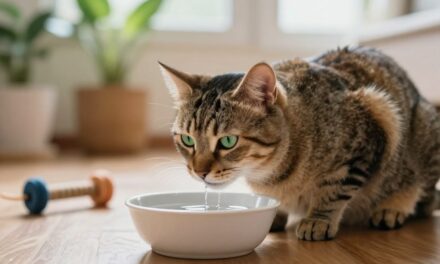
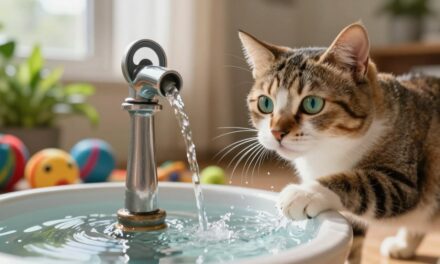
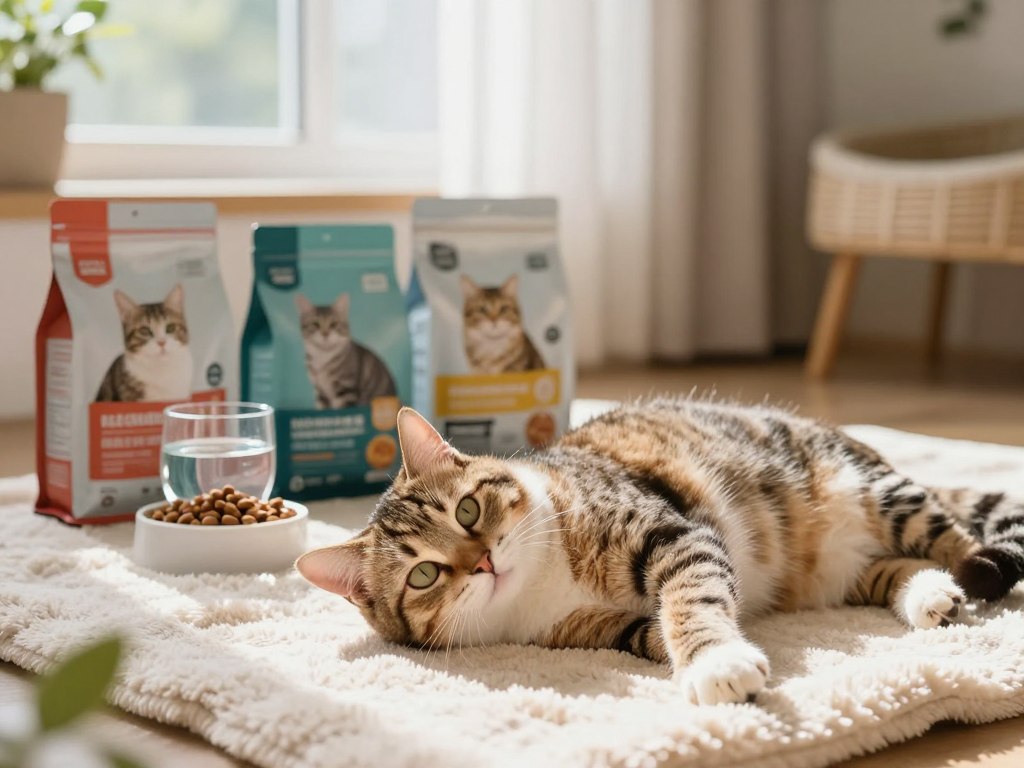
Diarrhea can lead to dehydration in cats, so it’s essential to ensure they have access to plenty of fresh water. You can also consider offering a water fountain or multiple water sources to encourage drinking.
Tips to encourage hydration:
- Change the water frequently to keep it fresh
- Use a water fountain or circulating water bowl
- Offer wet food or a hydrating diet
3. Introduce a Temporary Bland Diet
A bland diet can help soothe your cat’s digestive system and firm up their stool. Consider introducing a plain, easily digestible food for a short period.
| Dietary Component | Recommended Food |
|---|---|
| Protein Source | Boiled chicken or plain turkey |
| Carbohydrate Source | Cooked white rice or plain pumpkin |
4. Eliminate Dietary Triggers and New Foods
If your cat has recently been introduced to new foods or treats, consider removing them from their diet to see if it resolves the issue.
Common dietary triggers to consider:
- New or changed food
- Food allergies or sensitivities
- Table scraps or treats
5. Maintain Excellent Litter Box Hygiene
Keeping the litter box clean can help reduce stress and prevent further digestive upset. Scoop the litter box daily and change the litter completely every 7-10 days.
6. Track Symptoms with a Health Journal
Keeping a health journal can help you monitor your cat’s symptoms and identify patterns or changes. Record the date, time, and details of their stool, as well as any changes in appetite, energy, or overall behavior.
Benefits of a health journal:
- Helps identify patterns or triggers
- Provides valuable information for your veterinarian
- Enhances your understanding of your cat’s health
When Your Cat’s Diarrhea Requires Veterinary Attention
While many cases of cat diarrhea can be managed at home, some situations necessitate immediate veterinary care. Cat owners should be vigilant and recognize the signs that indicate a need for professional help.
Warning Signs That Demand Immediate Care
Certain symptoms accompanying diarrhea in cats signal a need for urgent veterinary attention. These include:
- Blood or mucus in the stool, indicating potential internal injury or infection.
- Vomiting, which can lead to dehydration and complicate the cat’s condition.
- Lethargy or depression, as these are signs that the cat is not feeling well.
- Loss of appetite, which can quickly lead to dehydration and malnutrition.
- Fever, suggesting an underlying infection.
If your cat exhibits any of these symptoms, it is crucial to seek veterinary advice promptly.
How Long to Wait Before Calling the Vet
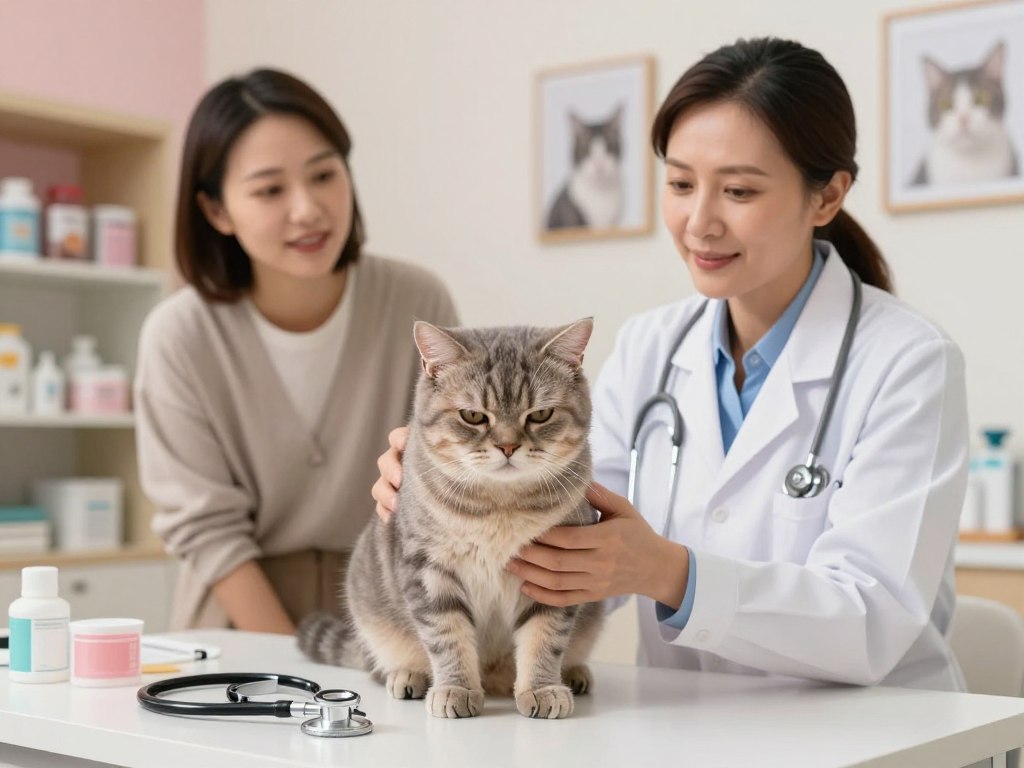
The duration you should wait before seeking veterinary care depends on the severity of the symptoms and the overall health of your cat. For cats with mild diarrhea and no other symptoms, a wait of 24 to 48 hours may be acceptable while monitoring their condition. However, if the diarrhea persists or is accompanied by other concerning signs, do not hesitate to contact your veterinarian.
Age-Specific Concerns for Kittens and Senior Cats
Kittens and senior cats are more vulnerable to complications from diarrhea due to their age. Kittens can quickly become dehydrated and may have underlying conditions that need immediate attention. Senior cats may have pre-existing health issues that can be exacerbated by diarrhea. For both kittens and senior cats, it is advisable to seek veterinary care sooner rather than later if they develop diarrhea.
Veterinary advice is invaluable in managing cat digestive issues, especially in these sensitive age groups. Early intervention can prevent serious complications and ensure the best outcomes for your pet.
Conclusion
Understanding and addressing cat diarrhea is crucial for maintaining overall feline health, even when cats appear to be acting normally. Cat owners should be aware of the various reasons behind this condition, including dietary changes, stress, and underlying infections.
By monitoring stool quality, maintaining hydration, and introducing a bland diet when necessary, cat owners can effectively manage their cat’s diarrhea at home. Recognizing when veterinary attention is required is also vital, particularly if symptoms persist or are accompanied by other concerning signs.
Proper cat care involves being proactive and responsive to changes in a cat’s health. By following the steps outlined and staying informed, cat owners can help ensure their pets receive the care they need to recover from diarrhea and maintain optimal health.
Prioritizing cat health and seeking professional advice when needed are essential components of responsible cat ownership, ensuring that cats with diarrhea but acting normal receive the appropriate care and attention.