
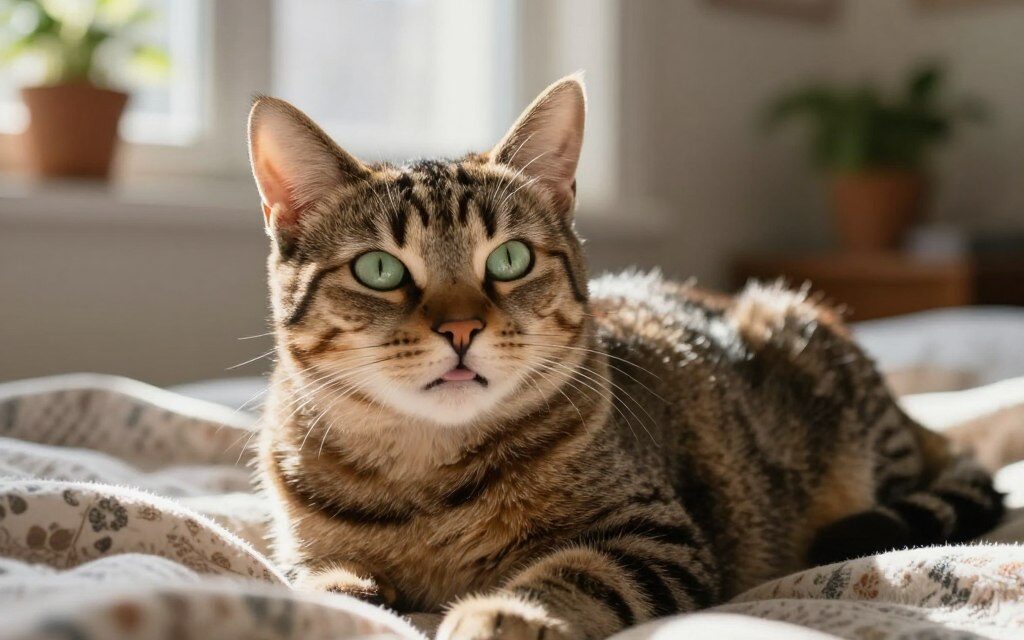
Watching a pet sleep should feel peaceful for every owner. However, seeing a cat breathing fast at rest often causes immediate worry. This sign, called tachypnea, shows the body needs more oxygen or has trouble moving air correctly.
Knowing the difference between normal panting and health issues is very important. Heat or play might cause heavy panting for a few minutes. Yet, rapid breathing in cats during downtime often suggests a serious medical problem that needs attention.
Early detection allows for prompt veterinary care and much better outcomes for your feline. This guide looks at common causes, from environmental stress to heart problems. Owners can help their pets live better by spotting these respiratory signs early.
Key Takeaways
- Healthy felines typically take 15 to 30 breaths every minute.
- Persistent heavy chest movements often signal underlying lung or heart issues.
- Heat stress and intense anxiety can temporarily increase respiratory rates.
- Medical conditions like asthma or pneumonia require urgent professional diagnosis.
- Monitoring a pet’s baseline behavior helps owners identify abnormalities quickly.
- Count breaths during deep sleep for the most accurate health assessment.
Understanding Normal Breathing Rates in Cats
Understanding a cat’s normal breathing rate is crucial for identifying potential health issues. Cats, being obligate nose breathers, have a unique respiratory system that can be sensitive to various factors.
What Is a Normal Respiratory Rate?
A normal respiratory rate for cats typically ranges between 16 to 40 breaths per minute when they are at rest. This rate can vary based on factors such as age, size, and overall health.
How to Measure Your Cat’s Breathing Rate
To measure your cat’s breathing rate, you can follow these steps:
- Observe your cat when they are calm and relaxed.
- Count the number of breaths (inhalation and exhalation) for one minute.
- You can also count for 15 seconds and multiply by 4 to get the breaths per minute.
Age and Size Variations in Breathing Patterns
Kittens and younger cats tend to breathe faster than older cats. Similarly, smaller cats or those with certain health conditions may have different breathing patterns.
| Age Group | Normal Breathing Rate (breaths per minute) |
|---|---|
| Kittens (0-6 months) | 20-40 |
| Adult Cats | 16-30 |
| Senior Cats (above 10 years) | 15-25 |
<h2>Why Is My Cat Breathing Fast While Resting
Rapid breathing in cats, even when they are at rest, can be a sign of an underlying issue that needs attention. As a cat owner, it’s essential to understand the reasons behind this behavior to ensure your pet’s health and well-being.
Recognizing Abnormal Breathing Patterns
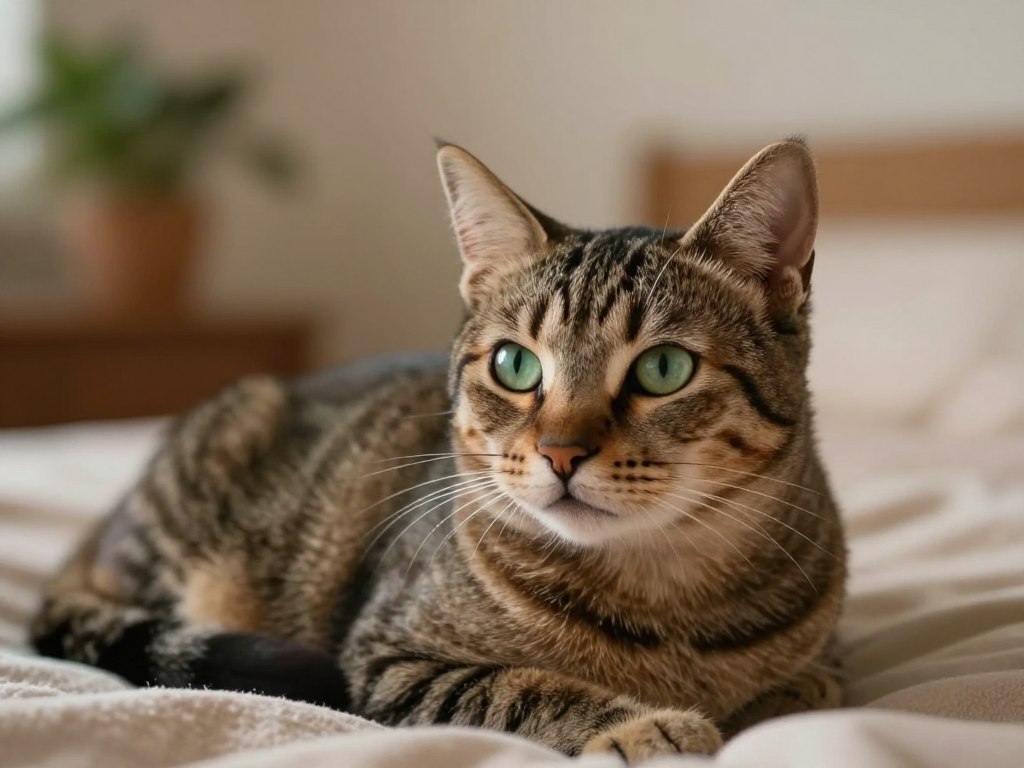
Normal breathing rates for cats typically range between 16 to 40 breaths per minute when at rest. Monitoring your cat’s breathing rate is crucial in identifying any deviations from the norm. To do this, observe your cat’s chest movements or feel their breath on your cheek. Count the number of breaths they take in one minute to determine their breathing rate.
If your cat’s breathing rate is consistently higher than normal, it may indicate an underlying health issue. Factors such as age, size, and overall health can influence what is considered a normal breathing rate for your cat.
The Difference Between Tachypnea and Dyspnea
Tachypnea refers to rapid breathing, which can be a normal response to stress, excitement, or heat. However, if your cat is experiencing tachypnea while at rest, it could be a sign of an underlying health issue. Dyspnea, on the other hand, is characterized by difficult or labored breathing, often accompanied by visible distress.
Understanding the difference between these two conditions is vital in determining the appropriate course of action. While tachypnea might be a symptom of a less severe issue, dyspnea often indicates a more serious respiratory or cardiovascular problem.
Signs That Accompany Rapid Breathing
Rapid breathing in cats can be accompanied by other signs that may indicate the underlying cause. These include coughing, wheezing, lethargy, loss of appetite, or changes in gum color. Observing these additional symptoms can help you and your veterinarian diagnose the issue more accurately.
If you notice any of these signs, it’s crucial to seek veterinary care promptly. Early diagnosis and treatment can significantly improve your cat’s prognosis and quality of life.
Medical Conditions That Cause Rapid Breathing
Rapid breathing in cats at rest can be a symptom of several serious health issues. Cats, like humans, can suffer from a variety of medical conditions that affect their respiratory system, heart health, and overall well-being. Understanding these conditions is crucial for cat owners to provide the necessary care and seek veterinary attention when needed.
Respiratory System Disorders
Respiratory system disorders are a common cause of rapid breathing in cats. These disorders can range from mild to severe and include conditions such as asthma, pneumonia, and pleural effusion.
Asthma and Allergic Bronchitis
Asthma and allergic bronchitis are conditions that affect the airways, causing inflammation and constriction. Cats with asthma may exhibit symptoms such as wheezing, coughing, and rapid breathing. Allergic bronchitis is often triggered by environmental allergens like pollen or dust.
- Asthma can cause recurring episodes of wheezing and coughing.
- Allergic bronchitis may lead to chronic respiratory issues if not managed properly.
Pneumonia and Upper Respiratory Infections
Pneumonia is an infection that inflames the air sacs in the lungs, which can be caused by bacteria, viruses, or fungi. Upper respiratory infections, commonly known as cat colds, can also lead to rapid breathing. These conditions often present with additional symptoms such as fever, lethargy, and loss of appetite.
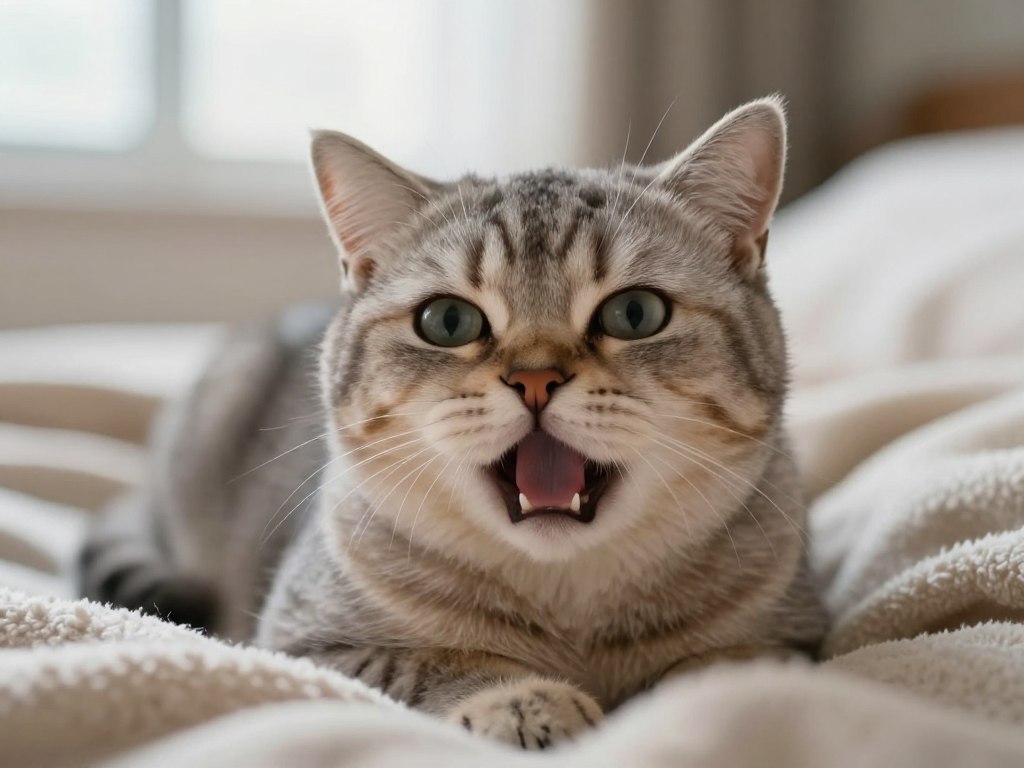
Pleural effusion occurs when fluid accumulates in the space between the lungs and chest cavity, putting pressure on the lungs and making it difficult for the cat to breathe. This condition can result from various underlying causes, including heart disease, cancer, or infections.
Cardiovascular Problems
Cardiovascular issues are another significant cause of rapid breathing in cats. Heart conditions can lead to inefficient blood circulation, causing fluid to build up in the lungs and resulting in rapid breathing.
Congestive Heart Failure
Congestive heart failure (CHF) is a condition where the heart is unable to pump enough blood to meet the body’s needs. Cats with CHF may exhibit rapid breathing, lethargy, and decreased appetite. Early detection and management are crucial to improving the quality of life for cats with CHF.
Hypertrophic Cardiomyopathy
Hypertrophic cardiomyopathy (HCM) is a heart condition characterized by the thickening of the heart muscle, which can impede blood flow. Cats with HCM may not show symptoms until the disease is advanced, making regular veterinary check-ups essential.
Anemia and Systemic Conditions
Anemia, characterized by a lack of red blood cells or hemoglobin, can cause rapid breathing as the body attempts to compensate for the reduced oxygen delivery. Systemic conditions such as hyperthyroidism can also lead to increased respiratory rate.
Pain, Trauma, and Internal Injuries
Pain, trauma, or internal injuries can cause stress and discomfort, leading to rapid breathing in cats. Cats may not always show obvious signs of pain, making it essential for owners to monitor their behavior and seek veterinary care if they suspect something is wrong.
Environmental and Behavioral Factors
It’s not just medical issues that can cause a cat to breathe rapidly; environmental and behavioral factors are also significant contributors. Cats are highly sensitive to their surroundings, and various external factors can lead to an increase in their breathing rate.
Stress, Anxiety, and Fear Responses
Cats can experience stress, anxiety, and fear, just like humans, and these emotional states can cause their breathing rate to increase. Stressful situations can include changes in the household, introduction of new pets or people, or even a change in the cat’s environment. Recognizing the signs of stress and anxiety in cats is crucial for mitigating their impact on the cat’s health.
Some common signs of stress in cats include hiding, avoidance behaviors, and changes in appetite. If you suspect that your cat is experiencing stress or anxiety, it’s essential to identify the cause and take steps to minimize its impact. This can involve providing a calm environment, increasing positive reinforcement, and reducing exposure to stressors.

Overheating and Poor Ventilation
Overheating is another critical factor that can lead to rapid breathing in cats. Cats can easily become overheated, especially in warm environments or during hot weather. Poor ventilation can exacerbate this issue, making it difficult for cats to cool themselves effectively.
To prevent overheating, ensure that your cat has access to a cool, well-ventilated area. You can also provide additional cooling measures such as a cooling pad or a fan. Monitoring your cat’s temperature and watching for signs of heat stress, such as panting or restlessness, is crucial.
Obesity and Its Impact on Breathing
Obesity is a significant health issue in cats and can have a substantial impact on their respiratory health. Excess weight can put additional strain on a cat’s lungs and heart, leading to increased breathing rates even at rest.
Managing your cat’s weight through a balanced diet and regular exercise can help mitigate the risks associated with obesity. Consult with your veterinarian to develop a weight management plan tailored to your cat’s needs.
When to Seek Veterinary Care
If your cat is breathing rapidly while at rest, it’s crucial to determine whether this is a sign of an underlying health issue that requires immediate veterinary care for cats.
Rapid breathing, or tachypnea, can be a symptom of various health conditions, ranging from mild to severe. While some causes may be managed with home care, others necessitate professional veterinary intervention.
Emergency Warning Signs
Certain symptoms accompanying rapid breathing indicate a medical emergency. If your cat exhibits any of the following, seek immediate veterinary care:
- Difficulty breathing or labored breathing
- Blue-tinged gums or lips (cyanosis)
- Severe lethargy or loss of consciousness
- Open-mouth breathing
- Pale gums
Preparing for Your Veterinary Visit
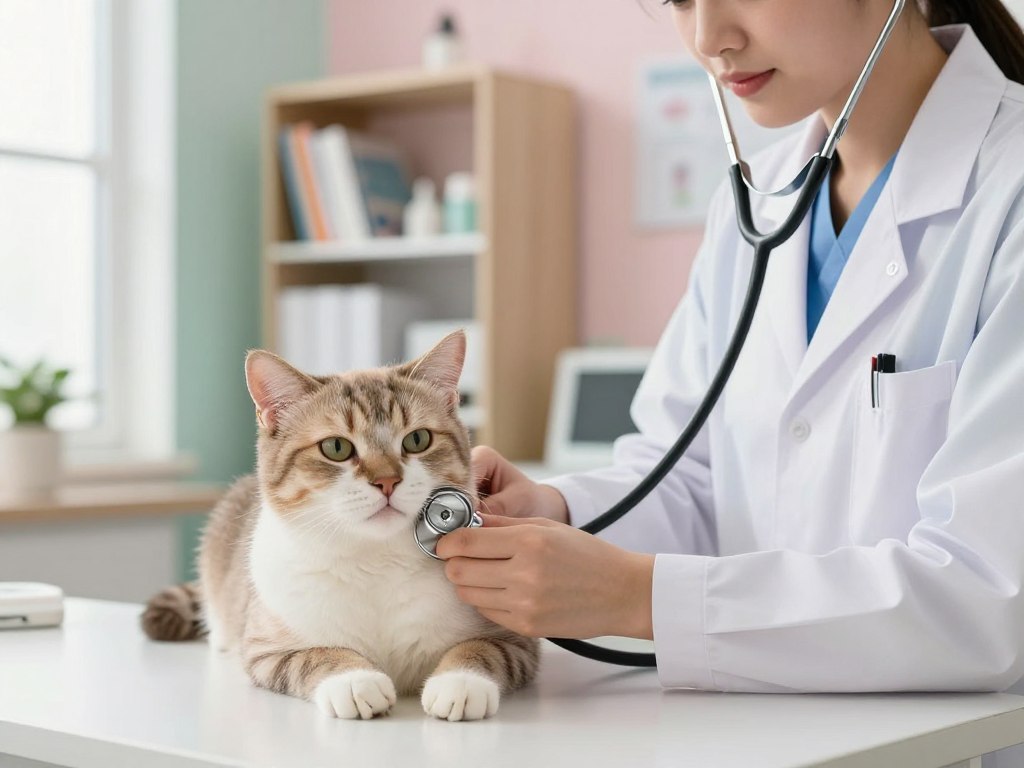
Before visiting the vet, it’s helpful to gather relevant information about your cat’s health. This includes:
- A detailed history of the cat’s symptoms
- Any changes in appetite, vomiting, or diarrhea
- Previous medical conditions or allergies
- A list of current medications or supplements
Having this information ready can help your veterinarian make a more accurate diagnosis.
Diagnostic Procedures and Tests
To diagnose the cause of your cat’s rapid breathing, your veterinarian may perform several diagnostic tests, including:
- Physical examination and history taking
- Chest X-rays or other imaging studies
- Blood tests to check for infections or anemia
- Echocardiogram to evaluate heart health
These tests help identify the underlying cause of the rapid breathing, guiding the treatment plan.
Treatment Options and Home Care
Treatment for rapid breathing in cats depends on the underlying cause. It may include:
- Medications to manage heart disease or infections
- Oxygen therapy for severe respiratory distress
- Weight management for obesity-related issues
Home care involves monitoring your cat’s condition, administering prescribed medications, and ensuring a stress-free environment. Follow your veterinarian’s advice for the best outcome.
Conclusion
Understanding why a cat is breathing fast at rest is crucial for providing appropriate care and ensuring their overall health. Rapid breathing in cats can be caused by various factors, including medical conditions, environmental factors, and behavioral responses.
By recognizing the signs of abnormal breathing patterns and understanding the potential underlying causes, cat owners can take prompt action to address their pet’s health needs. Regular monitoring and veterinary care are essential in identifying and managing conditions that may lead to a cat breathing fast at rest.
If you notice your cat exhibiting rapid breathing while at rest, it is vital to consult with a veterinarian to rule out any underlying health issues. With proper care and attention, many cats can lead healthy and comfortable lives.