
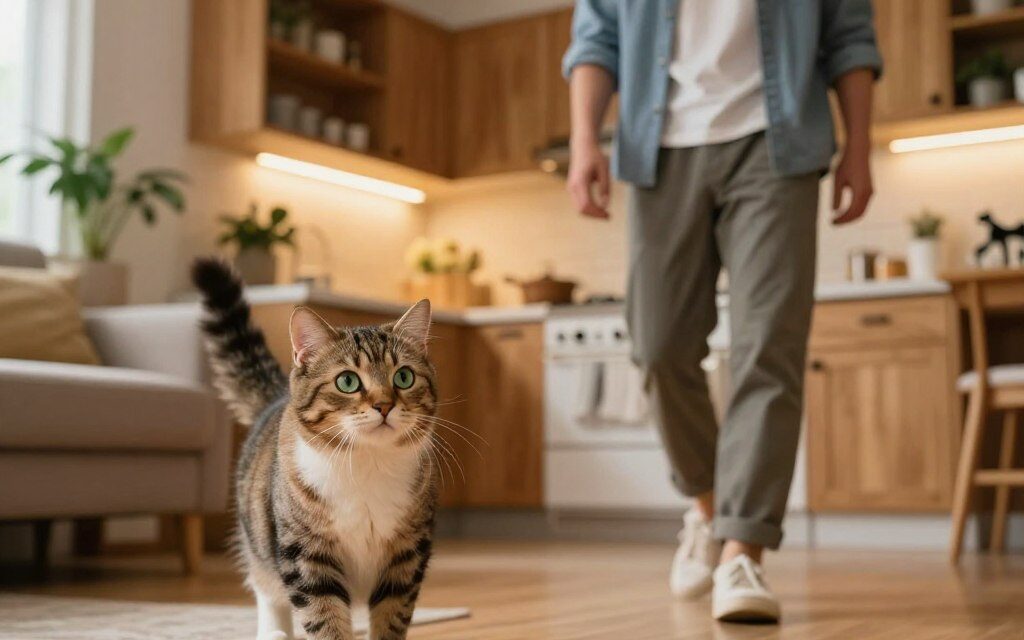
Understanding cat behavior often feels like solving a complex mystery for many pet parents in the United States. While some felines prefer solitude, others act like a shadow, trailing their human companions from room to room. This constant presence often signals a very strong feline attachment built on trust and daily routines.
A cat following owner might be seeking attention or simply expressing its natural curiosity about the home environment. These creatures are highly social and observe their surroundings with great detail. By staying near people, they feel much safer and more involved in the family dynamic.
Exploring these habits helps people provide a better life for their furry companions. It is essential to recognize that emotional bonds drive most of these social actions. This section investigates the common reasons behind this interesting and loyal social trait.
Key Takeaways
- Felines use physical proximity to demonstrate trust and comfort.
- Natural curiosity drives them to observe human activities closely.
- The habit often results from early socialization and consistent bonding.
- Instinctual needs for security make them stay near their providers.
- Following patterns can occasionally signal a request for play or interaction.
- Strong bonds are reinforced through predictable daily care and affection.
Understanding Your Cat’s Following Behavior
The phenomenon of cats following their owners is both intriguing and complex. Cats are known for their independence, yet many exhibit a strong desire to be near their owners. This behavior can be attributed to various factors, and understanding these reasons is crucial for cat owners.
Cats are often perceived as aloof animals, but their tendency to follow their owners suggests a deeper connection. As Dr. Sophia Yin, a renowned animal behaviorist, once said,
“Cats are capable of forming strong bonds with their owners, and this bond can manifest in various ways, including following their owners around the house.”
To comprehend this behavior, it’s essential to consider the cat’s perspective and the possible motivations behind their actions.
Is It Normal for Cats to Follow Their Owners?
Following their owners is a normal behavior for many cats. In fact, it’s a sign of their affection and trust. Cats are social animals that thrive on interaction, and by following their owners, they are seeking companionship and connection.
Cats may follow their owners for various reasons, including the desire for companionship, curiosity about their activities, or the anticipation of food or play.
The Difference Between Affection and Excessive Clinginess
While it’s normal for cats to be affectionate, excessive clinginess can be a sign of an underlying issue. Cats that are overly attached may be experiencing anxiety or stress. It’s crucial to differentiate between a cat that is simply showing affection and one that is exhibiting clingy behavior due to an underlying problem.
For instance, a cat that follows its owner everywhere and becomes distressed when left alone may be displaying signs of separation anxiety. On the other hand, a cat that occasionally follows its owner out of curiosity or for companionship is likely exhibiting normal behavior.
By understanding the motivations behind a cat’s behavior, owners can better respond to their cat’s needs and ensure a healthy and happy relationship.
Why Does My Cat Follow Me Everywhere? The Main Reasons Explained
Understanding why cats follow their owners requires exploring the intricacies of their bonding and social behavior. Cats are often perceived as independent animals, but their tendency to follow their owners suggests a more complex relationship.
Cats form strong emotional bonds with their owners, which is a key factor in their following behavior. This bonding is rooted in the cat’s ability to form attachments, often driven by the care and affection they receive from their owners.
Strong Bonding and Attachment to Their Owner
The attachment between a cat and its owner can be quite profound. Cats are known to recognize their owners’ voices and often respond to their presence. This attachment is fostered through regular interaction, feeding, and play, which strengthens their bond.
Cat bonding is a process that develops over time, influenced by the quality of care and the environment provided by the owner. A cat that feels secure and loved is more likely to follow its owner around the house.
Social Nature of Domesticated Cats
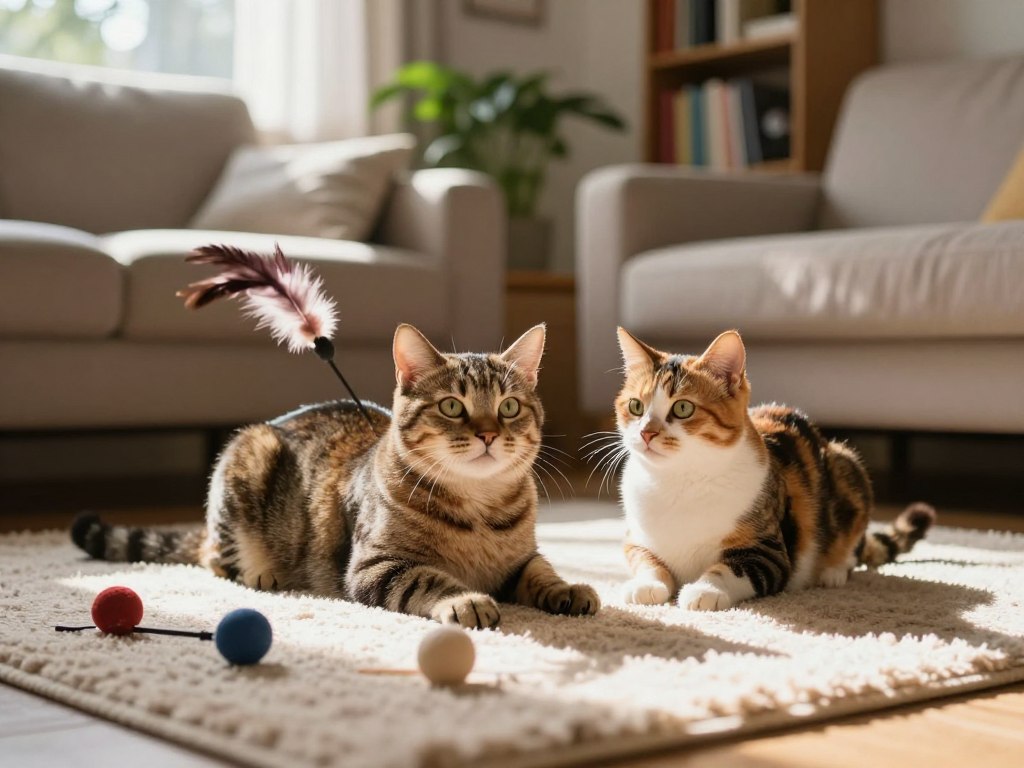
Despite their reputation for being solitary, domesticated cats are social animals that thrive on interaction. Their social nature is shaped by their domestic environment and the relationships they form with their human family members.
Domestication has played a significant role in shaping the social behavior of cats. Unlike their wild ancestors, domesticated cats have evolved to be more tolerant of human presence and often seek out human interaction.
The socialization of cats, particularly during their early developmental stages, significantly influences their behavior towards their owners. Proper cat socialization can lead to a more affectionate and interactive cat.
Your Cat Seeks Security and Comfort From Your Presence
The bond between a cat and their owner can be a crucial factor in the cat’s sense of security. Cats often find comfort in the presence of their owners, which can be attributed to their natural instinct to seek safety and protection.
The Owner as a Safe Haven
Cats view their owners as a safe haven, a place where they can feel protected from potential threats. This perception is rooted in the cat’s instinctual behavior, where the presence of a caregiver provides a sense of security and comfort.
Environmental Stress and Anxiety Triggers
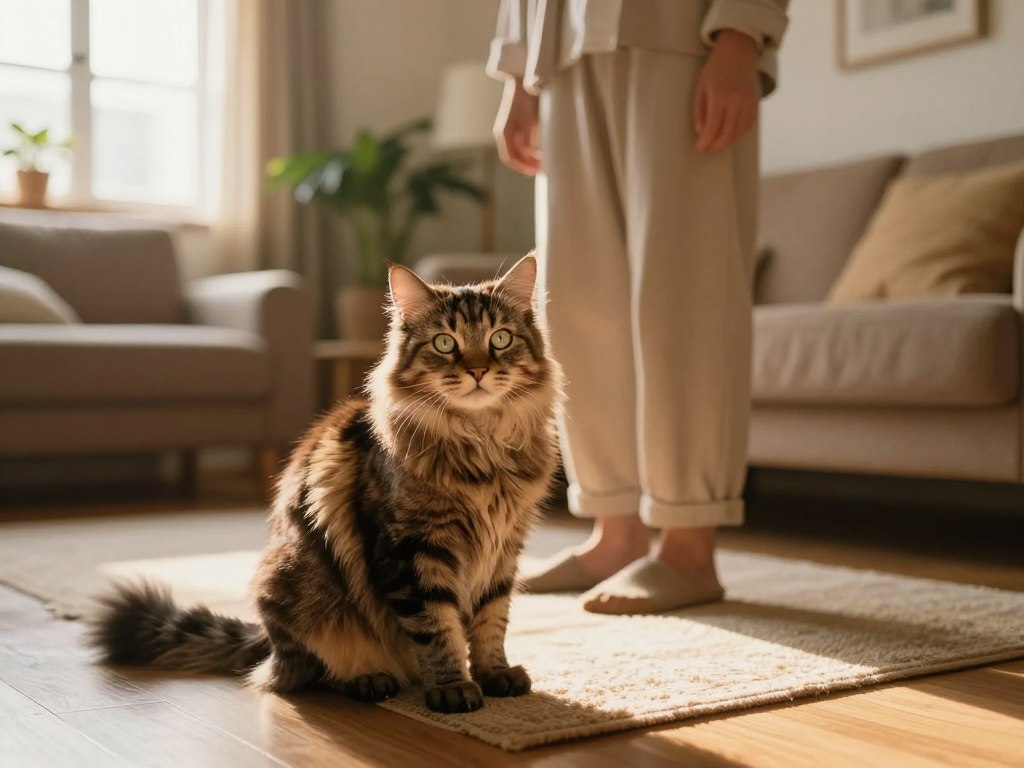
Various environmental factors can trigger stress and anxiety in cats, causing them to seek comfort from their owners. These triggers can include changes within the household or the introduction of new pets or family members.
Changes in the Household
Changes such as rearranging furniture, moving to a new home, or altering daily routines can cause significant stress for cats. In response, they may follow their owners more closely as a way to cope with the uncertainty.
New Pets or Family Members
The introduction of new pets or family members can also be a source of stress for cats. They may feel the need to monitor their owner’s reactions and seek reassurance by staying close to them.
In such situations, cats may exhibit increased clinginess as they attempt to navigate their environment and reestablish a sense of security.
Hunger and Food-Related Following Patterns
Cats are known to be creatures of habit, and their following behavior can be significantly influenced by their anticipation of food. This section explores how hunger and food-related factors contribute to a cat’s tendency to follow its owner.
Anticipating Feeding Times
Cats are highly attuned to routines, and feeding times are no exception. They can sense when it’s time for their meals, often leading them to follow their owners to the kitchen or wherever food is prepared. This behavior is rooted in their instinct to associate certain actions or times of the day with the availability of food.
Feeding schedules play a crucial role in a cat’s daily routine. Cats thrive on predictability, and when they anticipate being fed, they may follow their owners in anticipation of meal preparation. This is especially true if the cat has learned to associate the owner’s movements with feeding time.
Conditioned Responses to Your Movements
Cats can develop conditioned responses to their owner’s movements, especially if these movements are consistently followed by feeding. For example, if a cat notices that its owner always prepares food after putting on a specific apron or opening a particular cabinet, the cat may start following the owner whenever these actions are performed.
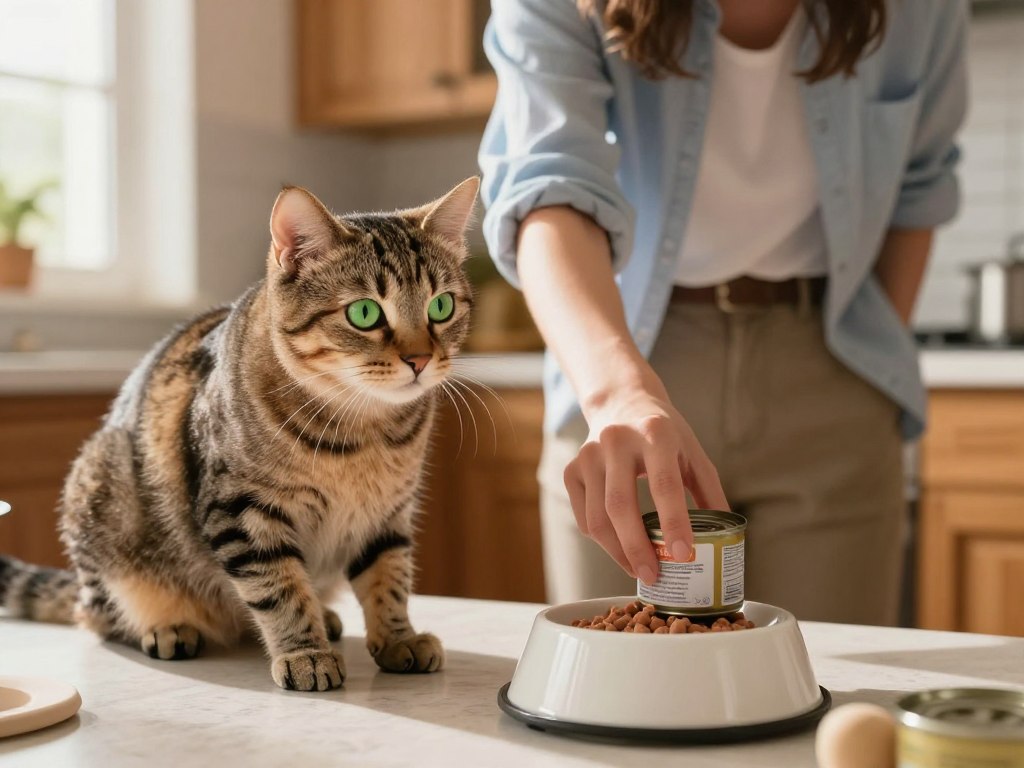
This conditioned response is a result of classical conditioning, a learning process first described by Ivan Pavlov. In the context of cat behavior, it means that cats can learn to associate certain cues (like the sound of a can opener or the owner’s movement towards the kitchen) with food, leading them to follow their owners in anticipation of being fed.
Natural Curiosity and the Need for Stimulation
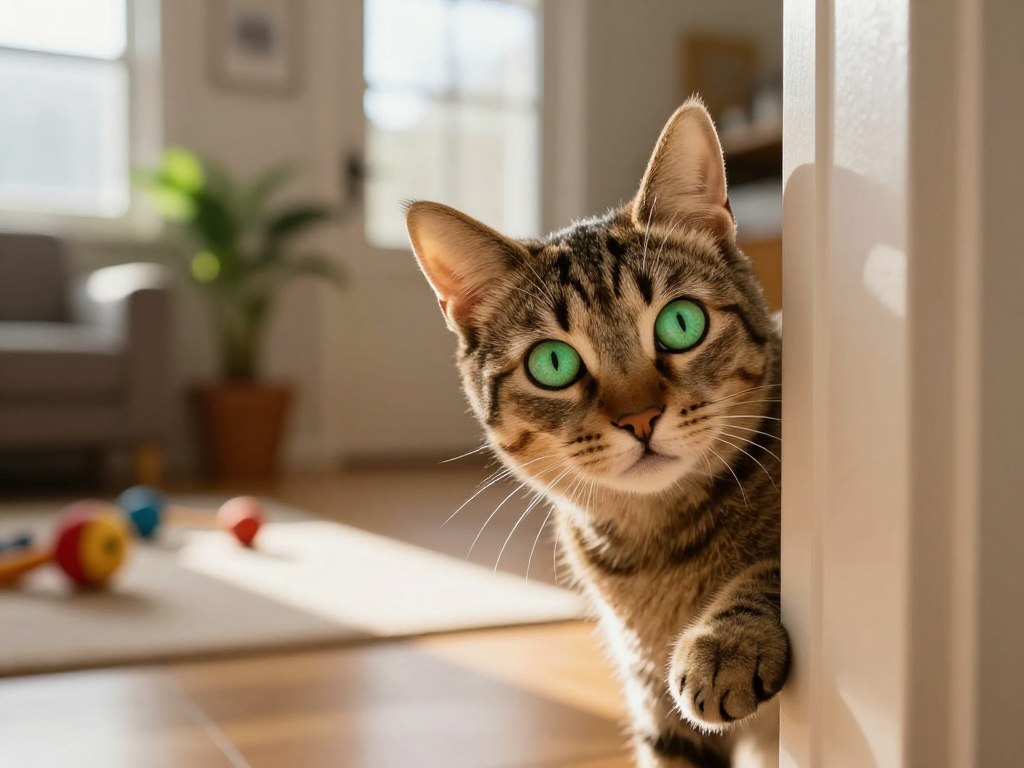
One of the primary reasons cats follow their owners is rooted in their innate curiosity and need for stimulation. Cats are naturally inquisitive animals, and their environment, including their human family members, provides them with a wealth of stimuli to explore.
Cats are known to be highly curious creatures, often investigating every nook and cranny of their surroundings. This curiosity extends to their owners’ activities, as they seek to understand and participate in whatever is happening.
Investigating Your Activities
Cats often follow their owners to investigate their daily activities. Whether it’s cooking, working on a computer, or even gardening, cats are intrigued by the movements and actions of their owners. They may watch with great interest, attempting to make sense of these activities.
This investigative behavior is a manifestation of their natural hunting instinct, where they might view their owner’s actions as a form of “hunting” or engaging activity. By following their owners, cats are able to stay engaged and stimulated.
Boredom and Lack of Environmental Enrichment
A lack of stimulation or environmental enrichment can lead to boredom in cats. When cats are not provided with adequate mental and physical stimulation, they may resort to following their owners more frequently as a way to alleviate boredom.
To combat this, cat owners can introduce various forms of enrichment into their cat’s environment. This can include puzzle toys filled with treats, scratching posts, and climbing structures. By enriching their environment, owners can help reduce their cat’s inclination to follow them excessively due to boredom.
Understanding and addressing a cat’s need for stimulation is crucial for maintaining a healthy and balanced relationship between the cat and their owner. By recognizing the role of curiosity and boredom in a cat’s following behavior, owners can take steps to provide a more engaging and fulfilling environment for their pets.
Attention-Seeking and Social Interaction Needs
One of the primary reasons cats shadow their owners is their need for attention and interaction. Cats are social creatures that thrive on engagement with their human family members.
Requesting Play and Engagement
Cats often follow their owners to initiate play or to seek engagement. This behavior can be a result of their natural hunting instinct, which prompts them to be active and interactive. Engaging in play with your cat not only strengthens your bond but also provides them with the mental and physical stimulation they need.
To encourage healthy play, cat owners can use a variety of toys and interactive tools. For example, feather wands, laser pointers, and puzzle toys can provide entertainment and stimulation. It’s essential to rotate toys regularly to keep the cat engaged and interested.
Communication Through Following Behavior
Cats communicate in various ways, including vocalizations and body language. When they follow their owners, they are often trying to convey a need or desire. Understanding these cues is crucial for effective communication.
Vocal Cues and Body Language
Cats use vocalizations such as meowing, purring, and hissing to communicate their emotions and needs. Meowing, for instance, can indicate a need for food, attention, or affection. Body language, including tail positions and ear orientations, also provides significant cues about a cat’s state of mind.
| Vocal Cue | Possible Meaning |
|---|---|
| Meowing | Need for food, attention, or affection |
| Purring | Contentment, relaxation, or self-soothing |
| Hissing | Fear, anxiety, or territorial defense |
Understanding What Your Cat Wants
By paying attention to the context and combination of vocal cues and body language, owners can better understand what their cat is trying to communicate. For example, a cat that meows persistently near the kitchen may be indicating hunger or a desire for food.
Recognizing and responding appropriately to these cues can enhance the relationship between cat and owner, ensuring the cat’s needs are met and reducing potential stress or frustration.
Medical and Health-Related Causes of Following Behavior
Sometimes, a cat’s clingy behavior is not just about affection; it can be a symptom of an underlying medical or health issue. Cats are adept at hiding signs of illness or pain, but a change in their behavior, such as excessive following, can be an indicator of an underlying problem.
Physical Illness or Pain
Cats in physical discomfort or pain may follow their owners more closely than usual. This could be due to various health issues, ranging from arthritis to dental problems. Monitoring your cat’s overall behavior and health is crucial in identifying if their following behavior is related to a physical issue.
Some common signs that your cat’s following behavior might be related to physical illness or pain include:
- Changes in appetite or water intake
- Vocalization or restlessness
- Changes in grooming habits
- Limping or avoiding certain activities
Cognitive Dysfunction Syndrome in Older Cats
As cats age, they can develop Cognitive Dysfunction Syndrome (CDS), similar to Alzheimer’s disease in humans. Cats with CDS may exhibit increased clinginess or following behavior due to confusion, disorientation, or anxiety. Recognizing the signs of CDS early on can help in managing the condition.
Hyperthyroidism and Other Hormonal Issues
Hormonal imbalances, such as hyperthyroidism, can also cause changes in a cat’s behavior, including increased following. Hyperthyroidism is common in older cats and can lead to symptoms like weight loss, increased appetite, and anxiety, which might manifest as clingy behavior.
Warning Signs That Require Veterinary Attention
It’s essential to be aware of the warning signs that indicate a need for veterinary care. These include:
- Sudden changes in behavior
- Loss of appetite or weight loss
- Increased vocalization or restlessness
- Changes in litter box behavior
If you notice any of these signs, consulting a veterinarian is crucial to rule out underlying medical issues.
Managing and Responding to Your Cat’s Following Habits
A cat’s tendency to follow its owner everywhere can be managed by enriching their environment and teaching them to be independent. This approach not only helps in reducing excessive clinginess but also strengthens the bond between the cat and the owner by promoting a healthier interaction.
Establishing a Healthy Balance
To manage your cat’s following behavior effectively, it’s crucial to establish a routine that includes both interaction and independent time. This balance ensures that your cat remains engaged and stimulated without becoming overly dependent on your presence.
- Set aside dedicated times for play and interaction.
- Encourage your cat to engage in solo activities.
- Gradually increase your cat’s independence by spending time away from them.
Enriching Your Cat’s Environment
Environmental enrichment plays a significant role in managing a cat’s following behavior. By providing a stimulating environment, you can reduce your cat’s need to constantly follow you.
Interactive Toys and Puzzle Feeders
Interactive toys and puzzle feeders are excellent tools for keeping your cat engaged. They challenge your cat and provide mental stimulation, reducing boredom and the need for constant attention.
Some recommended interactive toys include:
- Puzzle toys filled with treats.
- Feather wands and laser pointers for play.
- Automated toys that move or dispense treats.
Creating Vertical Spaces and Hiding Spots
Creating vertical spaces and hiding spots is another effective way to enrich your cat’s environment. Cats often enjoy climbing and hiding, and providing such spaces can keep them occupied and reduce following behavior.
Consider the following when creating vertical spaces:
- Install cat shelves or cat trees.
- Use cardboard boxes or tunnels as hiding spots.
- Ensure the spaces are safe and accessible.
Teaching Independence While Maintaining Connection
Teaching your cat to be independent is crucial, but it’s equally important to maintain a strong connection with them. This can be achieved by spending quality time together and being responsive to their needs.
By establishing a routine that includes both interaction and independent time, you can help your cat develop a healthy level of independence while maintaining a strong bond.
When Following Becomes Problematic Behavior
In some cases, a cat’s following behavior can become problematic, indicating underlying issues such as anxiety or medical problems. It’s essential to recognize the signs and address them appropriately.
Signs that following behavior has become problematic include:
- Excessive meowing or distress when left alone.
- Destructive behavior due to separation anxiety.
- Following behavior that interferes with daily activities.
Addressing these issues may require consulting with a veterinarian or a certified animal behaviorist to identify the underlying cause and develop a suitable plan.
Conclusion
Cat owners often find themselves wondering why their feline companions follow them everywhere. Through exploring various aspects of cat behavior, it becomes clear that this following behavior stems from a mix of affection, instinct, and need.
By recognizing the underlying reasons, such as strong bonding, seeking security, hunger, curiosity, and attention-seeking, cat owners can better understand their cat’s actions. Providing cat owner guidance, it’s essential to establish a balance between nurturing the bond and encouraging independence.
Enriching a cat’s environment and responding appropriately to their needs can lead to a more harmonious relationship. For cat owners, understanding cat behavior is key to creating a happy and healthy home for their pets.
By being aware of potential medical issues that could be contributing to the following behavior, owners can take proactive steps to ensure their cat’s well-being. Ultimately, a deeper understanding of cat behavior fosters a stronger, more loving relationship between cats and their owners.
FAQ
Is it considered normal behavior for a cat to shadow its owner throughout the house?
Yes, it is generally normal behavior. Domesticated cats are social animals that often view their human companions as part of their feline colony. While they are known for their independence, many cats follow their owners to express affection or to maintain a sense of social connection. However, it is important to distinguish this from separation anxiety, where the cat becomes distressed if left alone.
How can an owner tell the difference between affection and excessive clinginess?
Affectionate following is usually relaxed and intermittent. If a cat follows with soft body language and occasional purring, it is likely seeking companionship. Conversely, excessive clinginess often involves constant vocalization, frantic pacing, or a refusal to eat unless the owner is present. This “velcro” behavior can sometimes be triggered by environmental stress or a lack of confidence in their surroundings.
Does a cat’s natural instinct play a role in why they follow humans into different rooms?
Absolutely. Cats are naturally curious predators driven by an instinct to monitor their territory. When an owner moves from room to room, the cat may follow to investigate activities and ensure they are not missing out on potential stimulation or changes in the environment. They also view their owner as a safe haven, providing a sense of security while they explore.
Can hunger or specific feeding schedules influence a cat’s following patterns?
Cats are experts at conditioned responses. If they have learned that a human’s movement toward the kitchen precedes a meal of Royal Canin or Purina Pro Plan, they will anticipate feeding times by shadowing every step. This behavior is a form of non-verbal communication designed to remind the owner that it is time for a snack or a meal.
What are some environmental triggers that might make a cat more prone to following?
Significant changes, such as new family members, a new pet, or even moving furniture, can create anxiety triggers. In these situations, a cat may follow their owner more closely to seek comfort and security. Utilizing calming aids like Feliway diffusers can help reduce stress and help the cat feel more autonomous during transitions.
Could a sudden increase in following behavior indicate a medical problem?
Yes, sudden behavioral changes warrant a visit to the veterinarian. In older cats, excessive following and increased vocalization can be symptoms of Cognitive Dysfunction Syndrome (CDS) or hyperthyroidism. Additionally, a cat in physical pain may seek out their owner more frequently for reassurance. Watch for warning signs such as changes in appetite, litter box habits, or grooming patterns.
How can owners encourage independence in a cat that follows too closely?
Owners can manage this behavior by enriching the cat’s environment. Providing interactive toys, such as those from Kong, or a puzzle feeder can redirect their focus toward solitary play. Creating vertical spaces with a Catit tree or providing designated hiding spots allows the cat to feel secure in their own space. Positive reinforcement should be used to reward the cat when they choose to settle down independently.
What role does communication play in a cat’s tendency to follow?
Following is often a cat’s way of requesting play and engagement. By monitoring vocal cues and tail positions, owners can better understand what the cat wants, whether it is a session with a feather wand or simply a bit of attention. Understanding this communication helps build a stronger bond while ensuring the cat’s social and physical needs are met.