
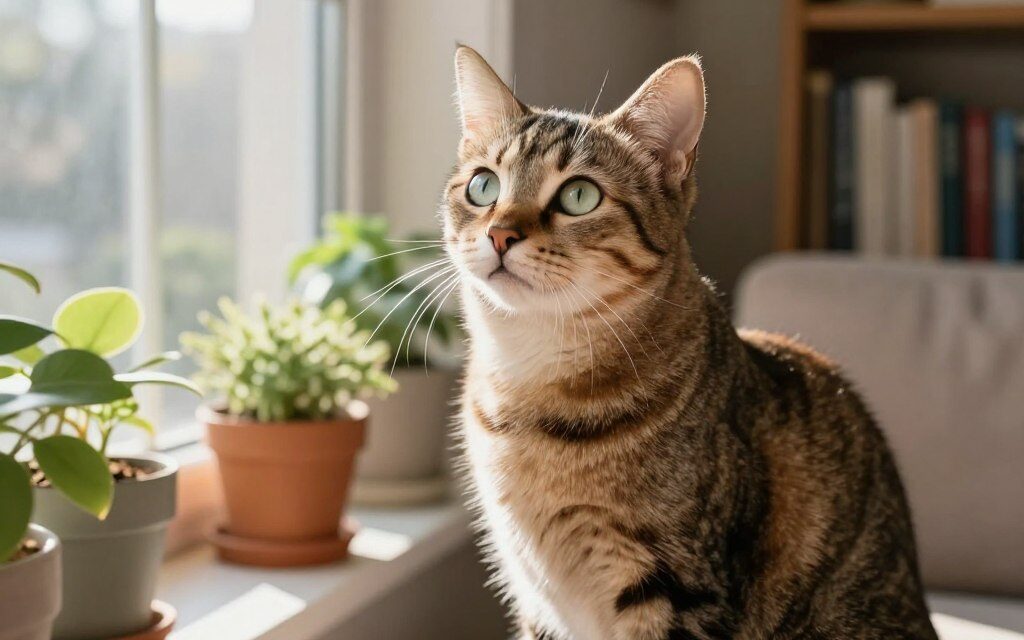
Many pet owners find themselves locked in an unblinking gaze with their furry companions. This feline behavior often feels mysterious during quiet moments spent inside the home.
This quiet observation serves as a vital tool for animals to gather information about their environment. By watching people closely, they learn routines and predict upcoming activities like meals or daily play.
Understanding these silent signals helps build a deeper bond of cat love and mutual trust. While some assume it is a demand for food, the reasons are actually quite varied.
Experts suggest that feline staring behavior is a primary way these animals communicate their needs and emotions. From curiosity to fondness, every look tells a unique story.
Key Takeaways
- Felines use intense eye contact as a primary communication tool.
- Constant observation often signifies a deep emotional connection.
- Visual signals can indicate physical needs such as hunger.
- Pets watch human actions to learn daily household routines.
- A steady gaze often represents curiosity about the environment.
- Understanding non-verbal cues helps improve the bond with pets.
1. Your Cat Is Showing Affection and Love
Cats often use staring as a way to connect with their owners, and this behavior is rooted in affection and love. While it might seem mysterious or even unnerving at times, understanding the reasons behind this behavior can deepen the bond between you and your cat.
The Slow Blink: Your Cat’s Version of a Kiss
One of the most significant indicators of a cat’s affection is the slow blink. When your cat stares at you and blinks slowly, it’s a sign of trust and contentment. This behavior is often referred to as a “cat kiss.” It’s a subtle yet powerful way your cat communicates their feelings.
As noted by cat behaviorists, “The slow blink is a unique form of nonverbal communication that cats use to show affection to their human caregivers.” This behavior is a clear indication that your cat feels comfortable and secure in your presence.
“Cats will often stare at their owners and slowly blink as a way of showing affection and trust.”
Relaxed Body Language Accompanying the Stare
When your cat is staring at you affectionately, their body language will typically be relaxed. Look for signs such as:
- Ears that are up or in a neutral position
- A tail that is still or gently swishing
- A relaxed posture, often with the cat sitting or lying down
| Body Language | Indication |
|---|---|
| Ears up or neutral | Relaxation and comfort |
| Tail still or gentle swish | Contentment |
| Relaxed posture | Trust and security |
How to Respond to Affectionate Staring
Responding to your cat’s affectionate stare can strengthen your bond and encourage more positive interaction. Try slowly blinking back at your cat, as this can be seen as a return of their affection. You can also engage in gentle petting or simply enjoy the moment of connection.
By understanding and responding to your cat’s affectionate behavior, you can foster a deeper and more meaningful relationship with your pet.
2. They’re Communicating a Specific Need
Cats use staring as a method to communicate various needs to their human companions. This form of non-verbal communication can indicate a range of requirements or desires, from basic needs like food to more complex emotional or environmental needs.
Understanding these cues is crucial for cat owners to address their cat’s needs effectively and strengthen their bond with their pet.
Hunger Signals and Mealtime Reminders
One common reason a cat stares at its owner is to signal hunger or to remind them that it’s mealtime. Cats often associate certain behaviors or times of the day with feeding. Recognizing these signals can help owners adjust their cat’s feeding schedule or ensure timely meals.
Recognizing Hunger Signals: Cats may stare at their food bowl or at their owner to indicate that they are hungry. Some cats even stare at the cupboard or area where their food is stored.
Requests for Playtime or Attention
Cats also stare to request playtime or attention from their owners. This can be a learned behavior if the cat notices that staring results in interaction or play. Engaging with the cat during these moments can strengthen the bond between the cat and owner.
Identifying Playtime Requests: If a cat is staring and then initiates play or seems to be inviting interaction (e.g., by batting at a toy or a person’s leg), it’s likely seeking playtime or attention.
Litter Box or Environmental Concerns
Sometimes, a cat’s stare can indicate dissatisfaction or concern with its environment, such as issues with the litter box or a need for a cleaner living space. Owners should be aware of these cues to address potential issues promptly.
| Cat’s Behavior | Possible Need | Owner’s Action |
|---|---|---|
| Staring at food bowl or kitchen | Hunger or mealtime reminder | Feed the cat or adjust feeding schedule |
| Staring and initiating play | Request for playtime or attention | Engage in play or provide attention |
| Staring at litter box or around the house | Litter box or environmental concern | Clean the litter box or assess environmental factors |
3. Why Does My Cat Stare at Me? Their Hunting Instincts Are Activated
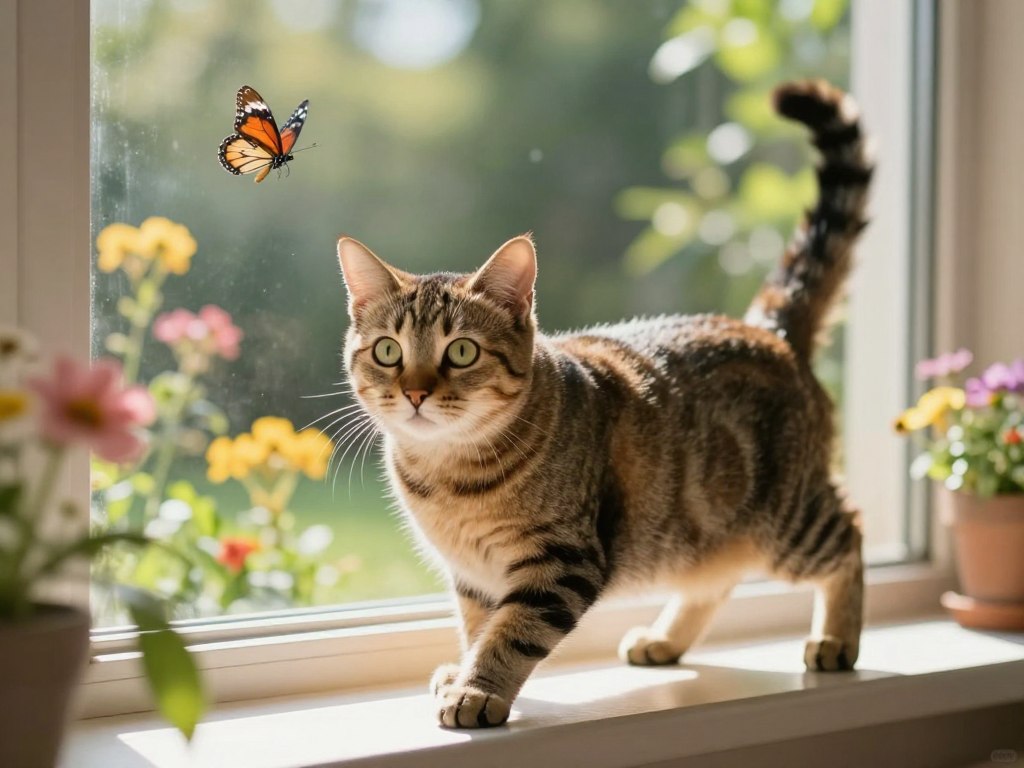
Cats often exhibit behaviors that are remnants of their wild ancestors, and staring can be one such trait linked to their hunting instincts. This behavior is deeply ingrained and can be triggered by various stimuli, including movement or even the owner’s interaction.
The Predatory Focus Explained
A cat’s predatory focus is a state of heightened alertness where they concentrate on a potential prey. This focus is characterized by a fixed stare, often accompanied by a crouched posture or tense muscles. The stare is a crucial element of their hunting strategy, allowing them to assess and prepare for the hunt.
In domestic settings, this predatory focus can be misdirected towards toys, other pets, or even their owners. Understanding this behavior is key to managing it effectively.
Dilated Pupils and Twitching Tail Signs
When a cat’s hunting instincts are activated, several physical signs become apparent. Dilated pupils are a common indicator, as they allow more light to enter the eye, enhancing the cat’s ability to detect movement. A twitching tail can also signify excitement or agitation related to the hunting instinct.
Other signs may include:
- Flattened ears
- Crouched posture
- Tail twitching or lashing
Redirecting Hunting Behavior Appropriately
Redirecting a cat’s hunting behavior is essential to prevent it from becoming problematic. Providing appropriate outlets for this natural behavior can help. Engaging your cat in play with toys that mimic prey, such as feather wands or laser pointers, can effectively redirect their hunting instincts.
| Redirecting Strategies | Description | Benefits |
|---|---|---|
| Interactive Toys | Toys that mimic prey, encouraging natural hunting behavior. | Reduces misdirected hunting behavior towards owners or inappropriate targets. |
| Play Sessions | Regular playtime to expend energy and satisfy hunting instincts. | Enhances bonding and reduces stress. |
| Environmental Enrichment | Modifying the environment to provide hiding spots and climbing structures. | Stimulates natural behavior and provides mental stimulation. |
By understanding and appropriately redirecting your cat’s hunting behavior, you can create a more harmonious and engaging environment for both you and your pet.
4. Your Cat Is Observing and Learning From You
Cats exhibit a unique ability to observe human behavior and adapt accordingly. This observational skill is a testament to their intelligence and ability to interact with their human environment effectively.
One of the primary ways cats learn from their owners is by studying their behavior patterns. They pay attention to various aspects of human behavior, from daily routines to emotional responses.
Cats Study Human Behavior Patterns
Cats are known to observe and mimic certain human actions. For instance, if a cat notices that meowing near the kitchen often results in food, they may continue this behavior. This learning process demonstrates their ability to understand cause and effect.
Key Observations Cats Make:
- Daily routines and schedules
- Emotional responses to different stimuli
- Actions that result in specific outcomes (e.g., meowing for food)
Memorizing Your Daily Routine
Cats have been observed to memorize their owner’s daily routines, often anticipating events such as meal times or playtime. This memorization is a sign of their cognitive abilities and adaptability.
As one expert notes,
“Cats are capable of forming a cognitive map of their environment, which includes the routines and behaviors of their human caregivers.”
Intelligence and Problem-Solving Through Observation
Cats use observation not only to learn from their environment but also to solve problems. By watching humans, they can figure out how to access food, open doors, or even manipulate objects.
| Problem-Solving Skill | Example |
|---|---|
| Observing human actions | Figuring out how to open a door or container |
| Learning from cause and effect | Meowing to get food or attention |
| Adapting to routines | Anticipating meal times or playtime |
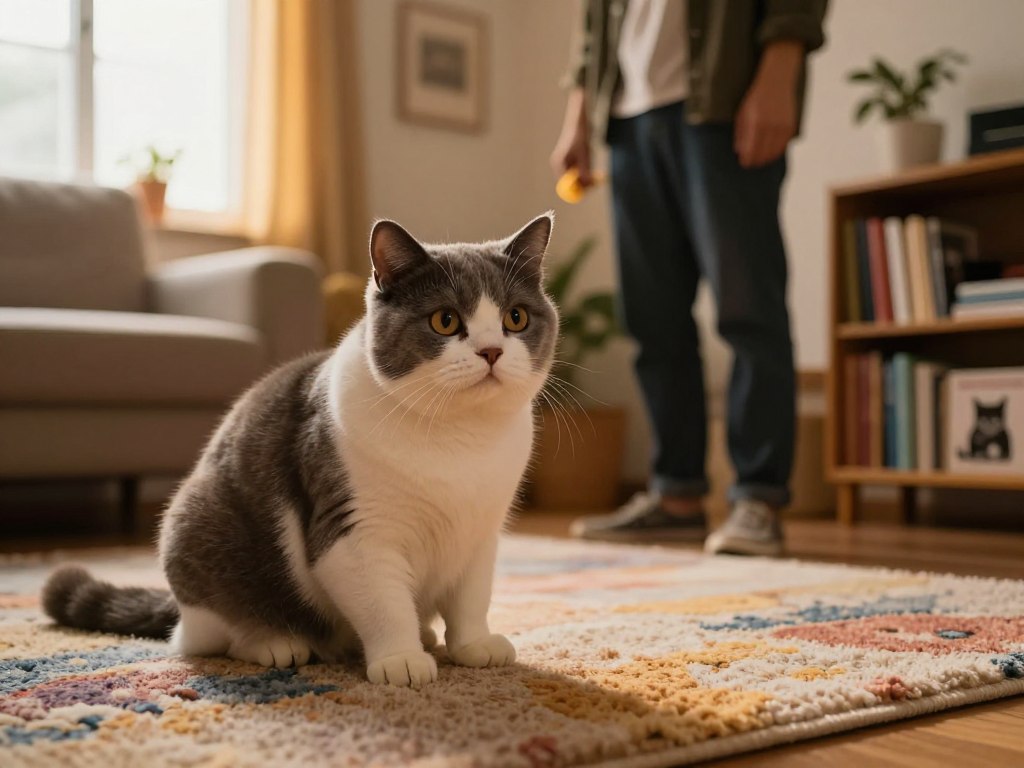
In conclusion, cats are highly observant animals that learn and adapt through their interactions with humans. Understanding this aspect of their behavior can help cat owners appreciate their pets’ intelligence and cognitive abilities.
5. Potential Medical or Cognitive Issues
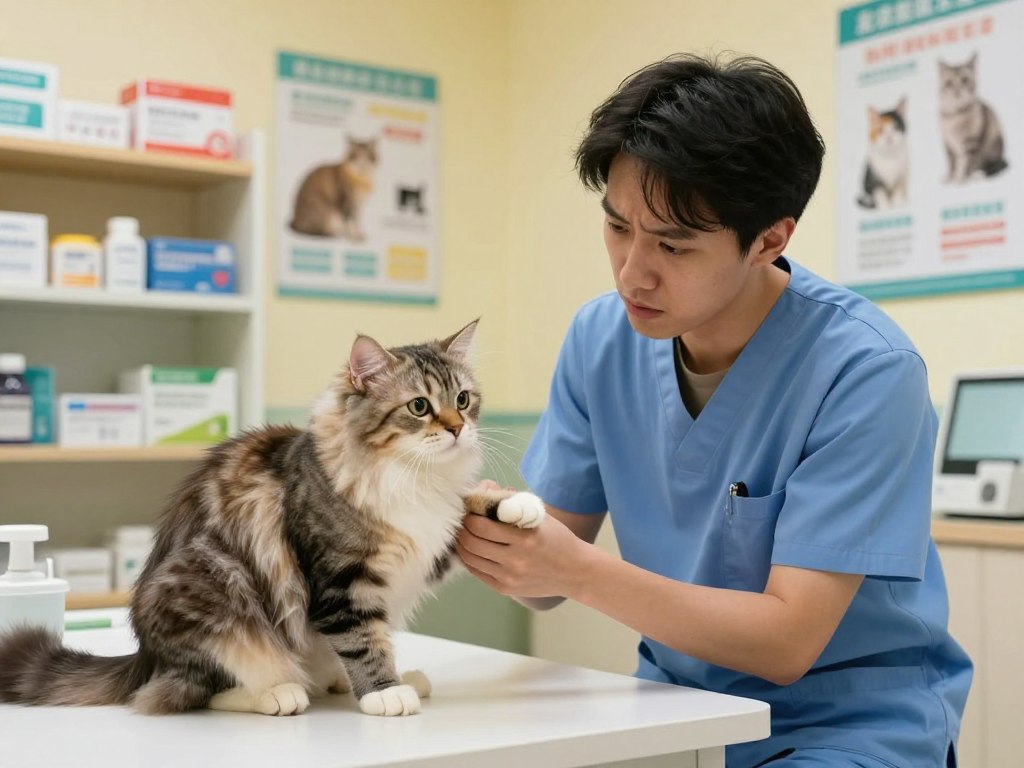
A cat’s intense gaze is not always a sign of love; sometimes, it can signal potential health issues that require veterinary care. While it’s natural for cat owners to interpret their pet’s stare as affection or curiosity, persistent or unusual staring can be indicative of underlying medical or cognitive problems.
Age-Related Cognitive Dysfunction
Just like humans, cats can experience cognitive decline as they age. Age-related cognitive dysfunction (ARCD) is a condition that affects older cats, leading to changes in behavior, including altered staring patterns. Cats with ARCD might stare blankly or become fixated on a particular spot due to confusion or disorientation.
“Cats with cognitive dysfunction may exhibit a range of symptoms, including disorientation, changes in sleep patterns, and altered interaction with their environment.” Recognizing these signs early can help cat owners seek appropriate veterinary care to improve their cat’s quality of life.
Vision Problems That Cause Fixed Staring
Vision problems can also cause a cat to stare intensely. Conditions such as retinal degeneration, cataracts, or other ocular issues can lead to a fixed stare. Cats may stare at their owners or objects due to difficulty seeing or interpreting their surroundings.
- Blurred vision or loss of visual acuity
- Sensitivity to light
- Difficulty navigating familiar spaces
If you notice your cat staring persistently or showing signs of visual impairment, it’s crucial to consult with a veterinarian to rule out any underlying eye problems.
Warning Signs That Require Veterinary Attention
While staring can be a normal behavior in cats, there are certain warning signs that indicate a need for veterinary attention. These include:
- Persistent or intense staring accompanied by other behavioral changes
- Changes in appetite or water intake
- Vocalization or restlessness
“If your cat’s staring is accompanied by any of these symptoms, it’s essential to seek veterinary care to determine the underlying cause and appropriate treatment.”
By being aware of these potential medical or cognitive issues, cat owners can take proactive steps to ensure their pet’s health and well-being.
6. Establishing Social Bonds and Territory
The act of staring is a fundamental aspect of cat behavior, playing a crucial role in establishing social bonds and defining territory. Cats use staring as a multifaceted tool to communicate with both their feline companions and human caregivers.
Bonding Behavior in Multi-Cat Households
In multi-cat households, staring can be a significant form of communication among cats. It helps establish a hierarchy and reinforces social bonds. Cats will often stare at each other to assert dominance or to signal friendly intentions.
Observing the dynamics between cats in a multi-cat household can provide insights into their social structure. A stare between cats can be a challenge or a sign of affection, depending on the context and body language accompanying it.
| Behavior | Dominant Cat | Submissive Cat |
|---|---|---|
| Staring | Direct, unblinking stare | Averting gaze, slow blinking |
| Body Language | Upright posture, tail held high | Crouched posture, tail tucked in |
Recognizing Aggressive Versus Friendly Stares
Not all stares are the same; some can be aggressive, while others are friendly. Understanding the difference is crucial for cat owners to respond appropriately and ensure a harmonious household.
An aggressive stare is often characterized by a direct, unblinking gaze accompanied by tense body language, such as a twitching tail or flattened ears. On the other hand, a friendly stare is typically relaxed, with slow blinking and calm body posture.
“Cats communicate largely through body language, and the stare is a complex signal that can convey a range of emotions and intentions.”
Your Cat’s Way of Including You in Their Social Circle
Cats often include their owners in their social circle by staring, which is a sign of affection and trust. When a cat stares at its owner, it may be seeking interaction or simply acknowledging their presence.
By staring at their owners, cats are able to strengthen their bond and feel more connected. This behavior is a testament to the deep relationship that can develop between cats and their human caregivers.
Understanding the nuances of cat staring behavior can help owners better appreciate the complex social dynamics at play. By recognizing the different contexts and meanings behind a cat’s stare, owners can foster a more empathetic and responsive relationship with their pets.
Conclusion
Cats stare at their owners for various reasons, ranging from showing affection and love to communicating specific needs or exhibiting hunting instincts. By recognizing the underlying causes of your cat’s staring behavior, you can better understand their emotional and physical needs.
Whether your cat is seeking attention, expressing affection, or simply observing their surroundings, their stare can be a powerful tool for bonding and connection. Understanding why does my cat stare at me can help you build a stronger, more meaningful relationship with your pet.
By paying attention to cat staring behavior and responding appropriately, you can foster a deeper understanding and appreciation for your cat’s unique personality and needs.
FAQ
What does it mean when a cat stares and performs a slow blink?
This behavior is widely recognized by experts at the Cornell Feline Health Center as a sign of extreme trust and affection. By slowly closing and opening their eyes, the cat communicates that they do not perceive the human as a threat. This “kitty kiss” helps lower cortisol levels in both the pet and the owner, effectively strengthening the feline-human bond through positive reinforcement.
Can a cat’s stare indicate a medical emergency or age-related decline?
Yes, persistent or vacant staring can sometimes be a symptom of Feline Cognitive Dysfunction (FCD), particularly in senior cats. According to the American Association of Feline Practitioners, other underlying issues like systemic hypertension or hyperthyroidism can cause dilated pupils and a fixed gaze. If the staring is accompanied by disorientation, it is vital to seek a diagnosis from a licensed veterinarian.
Why does a cat stare with dilated pupils and a twitching tail?
This combination of physical cues suggests that the cat’s predatory instincts have been activated. Even within a home, a cat may fixate on micro-movements, such as shadows or insects, reflecting their natural hunting drive. Owners can redirect this high-energy arousal by using interactive enrichment tools like the Da Bird wand to provide a healthy outlet for their prey drive.
How can an owner distinguish between a friendly stare and an aggressive one?
A friendly stare is typically paired with a relaxed posture, while an aggressive stare involves a rigid body, constricted pupils, and sometimes piloerection (bristling fur). In multi-cat households, a prolonged, unblinking gaze is a non-verbal communication tool used to assert territorial dominance or manage social hierarchy without resorting to physical confrontation.
Is a cat staring because they have memorized a specific daily routine?
Cats are masters of associative learning and spend hours studying human behavior patterns. They often stare to monitor for environmental cues that signal mealtime or play, such as an owner reaching for a bag of Fancy Feast or picking up a laser pointer. This observational intelligence allows them to synchronize their circadian rhythms with the household’s activities.
What should an owner do if a cat stares while they are sleeping?
When a cat stares at a sleeping owner, they are often performing a social bonding ritual or checking for signs of life and security. Because cats are crepuscular, they are most active during dawn and dusk, and they may use this time to observe their human companions to ensure the “colony” is safe. This behavior reinforces their sense of environmental security and inclusion in the family unit.